
.png)
.png)
.png)
.png)

.png)
.png)


.png)

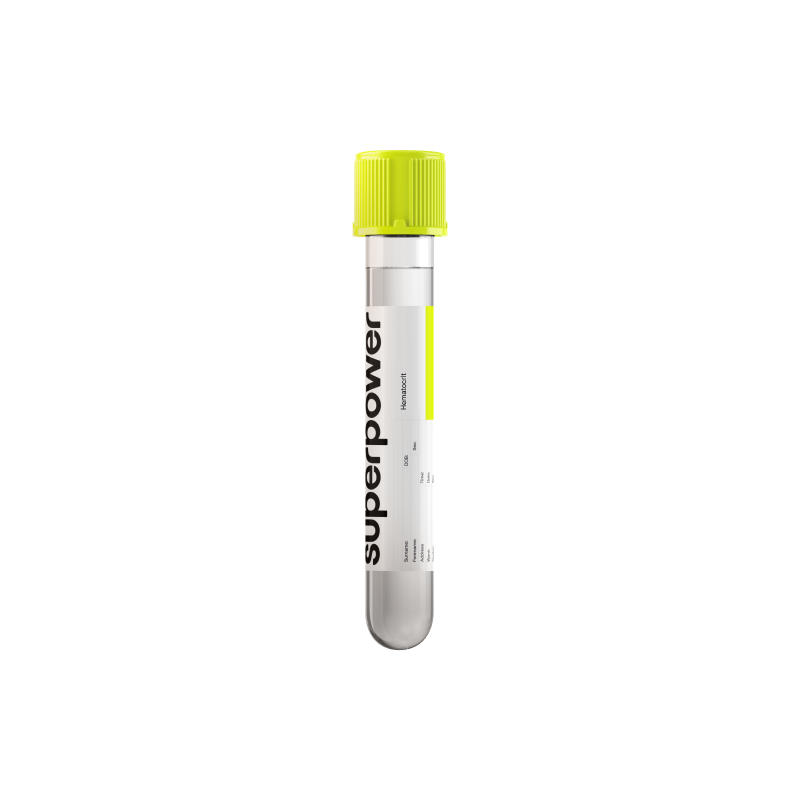
Hematocrit
Hematocrit blood testing measures the share of your blood made up by red blood cells. It’s a property of whole blood, capturing how much space the red cells (erythrocytes) occupy relative to the liquid portion (plasma). These cells are produced in the bone marrow under signals from the kidneys’ hormone erythropoietin (EPO) and are filled with hemoglobin, the protein that binds oxygen. Available at 2,000+ lab locations and at-home (select states). See FAQs below
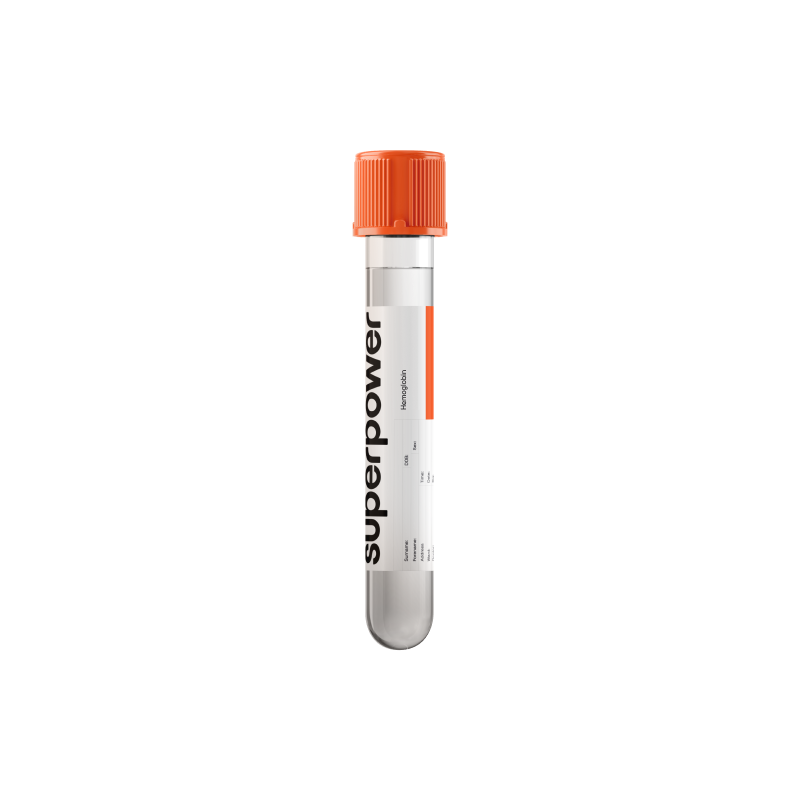
Hemoglobin
Hemoglobin blood testing measures the amount of hemoglobin, the red, oxygen‑carrying protein inside your red blood cells (erythrocytes). Hemoglobin is made in the bone marrow as new red blood cells are formed (hematopoiesis). Each hemoglobin molecule holds iron within heme groups and sits packed inside circulating red blood cells, which is why the test is done on blood. Available at 2,000+ lab locations and at-home (select states). See FAQs below
Magnesium
Magnesium blood testing measures the amount of magnesium circulating in the liquid part of your blood (serum magnesium). Magnesium is an essential mineral and electrolyte. You get it from food and water; it’s absorbed in the gut and distributed throughout the body. Available at 2,000+ lab locations and at-home (select states). See FAQs below
Mean Corpuscular Hemoglobin Concentration (MCHC)
Mean Corpuscular Hemoglobin Concentration (MCHC) is a red‑cell index that describes how concentrated the oxygen-carrying protein is inside a Available at 2,000+ lab locations and at-home (select states). See FAQs below
Mean Corpuscular Hemoglobin (MCH)
Mean Corpuscular Hemoglobin (MCH) is the average amount of hemoglobin contained in each red blood cell. Hemoglobin is the iron-bearing protein that binds oxygen in the lungs and releases it to tissues. Red blood cells are formed in the bone marrow, where hemoglobin is packed into them as they mature. Available at 2,000+ lab locations and at-home (select states). See FAQs below
Mean Corpuscular Volume (MCV)
Mean Corpuscular Volume (MCV) is the average size of your red blood cells. It is a property of the circulating red cell population measured from a routine blood sample, reported within the complete blood count (CBC). Red blood cells (erythrocytes) are formed in the bone marrow through red cell production (erythropoiesis) and released into the bloodstream; MCV captures their Available at 2,000+ lab locations and at-home (select states). See FAQs below
Mean Platelet Volume (MPV)
Mean Platelet Volume (MPV) is the average size of your platelets—the tiny, anucleate cell fragments that help your blood clot. Platelets are shed from large bone‑marrow cells called megakaryocytes and circulate for several days before being cleared. MPV summarizes how big these circulating platelets are at a given time (platelet volume), offering a snapshot of their Available at 2,000+ lab locations and at-home (select states). See FAQs below
Platelet Count
Platelet count is the measured number of platelets (thrombocytes) circulating in your blood. Platelets are tiny, disc-shaped cell fragments produced in the bone marrow when large precursor cells (megakaryocytes) shed portions of their cytoplasm. Their production is guided by the hormone thrombopoietin from the liver. Available at 2,000+ lab locations and at-home (select states). See FAQs below
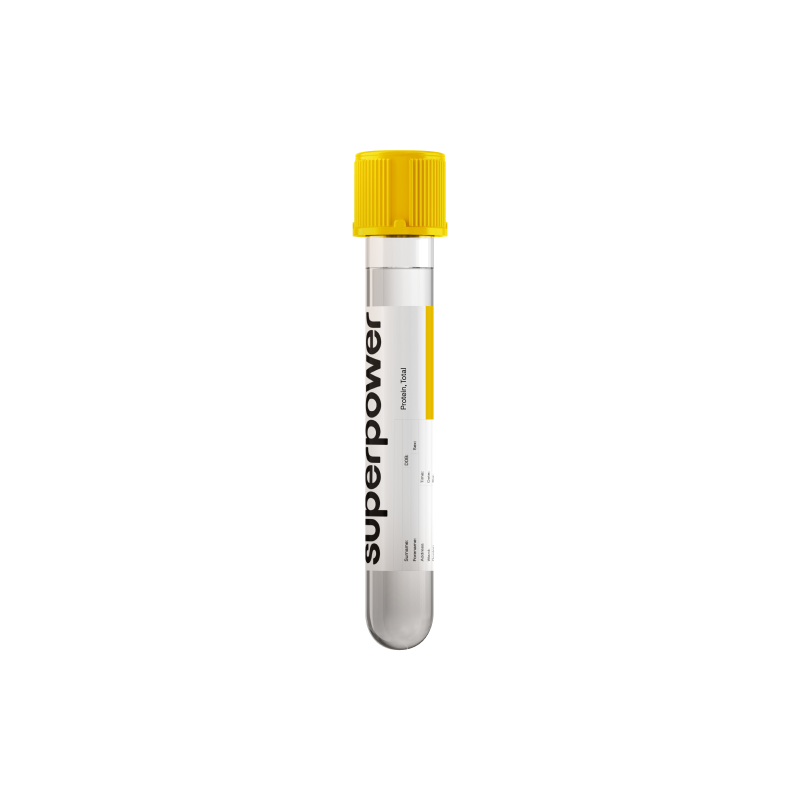
Total Protein
Total blood protein is the combined amount of the major proteins circulating in your bloodstream. Most of it is albumin, made by the liver (hepatocytes), and globulins, made by both the liver and the immune system (immunoglobulins from plasma cells, plus transport and defense proteins). Available at 2,000+ lab locations and at-home (select states). See FAQs below
RDW / MCV Ratio
The RDW/MCV ratio is a calculated index from a standard complete blood count. It divides the red cell distribution width (RDW)—a measure of how varied your red blood cells are in size—by the mean corpuscular volume (MCV), the average size of those cells. Available at 2,000+ lab locations and at-home (select states). See FAQs below
Red Blood Cells (RBC)
Red blood cells are the body’s oxygen-carrying cells (erythrocytes). They are made in the bone marrow from stem cells under the signal of the kidney hormone erythropoietin, filled with the protein hemoglobin, circulate about 120 days, and are then cleared by the spleen and liver. Available at 2,000+ lab locations and at-home (select states). See FAQs below
Red Cell Distribution Width (RDW)
Red Cell Distribution Width (RDW) is a measure of how varied the sizes of your red blood cells are. Red blood cells (erythrocytes) are made in your bone marrow, loaded with hemoglobin, and released into the bloodstream to carry oxygen for about four months. Available at 2,000+ lab locations and at-home (select states). See FAQs below
Selenium
Selenium blood testing measures the amount of selenium in your bloodstream—a trace mineral your body needs but cannot make. Selenium comes from the diet, especially plants grown in selenium‑rich soil and animal foods. After absorption in the gut, it circulates attached to proteins in the blood (notably selenoprotein P) and is built into specialized enzymes as the amino acid selenocysteine. Available at 2,000+ lab locations and at-home (select states). See FAQs below
Vitamin A
Vitamin A blood testing measures the amount of active vitamin A in your bloodstream, mainly as retinol. Vitamin A comes from animal foods as preformed vitamin A (retinol, retinyl esters) and from plants as provitamin A (carotenoids) that your intestine and liver convert to retinol. Available at 2,000+ lab locations and at-home (select states). See FAQs below
Vitamin C
Vitamin C blood testing measures the amount of vitamin C (ascorbic acid, present mainly as ascorbate) circulating in your bloodstream. Vitamin C is an essential, water-soluble nutrient that humans must obtain from food Available at 2,000+ lab locations and at-home (select states). See FAQs below
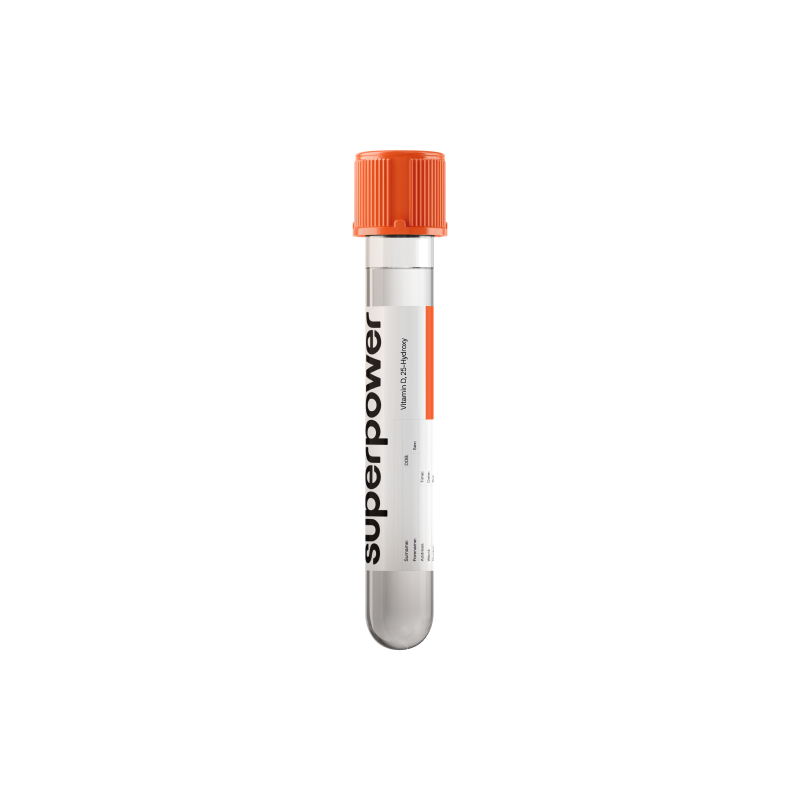
25-Hydroxyvitamin D
Vitamin D, 25-hydroxy blood testing measures the amount of 25-hydroxyvitamin D (25[OH]D, calcidiol) circulating in your blood. This molecule is produced in the liver from vitamin D that your body makes in the skin from sunlight or gets from food and supplements. Available at 2,000+ lab locations and at-home (select states). See FAQs below
Vitamin E
Vitamin E blood testing measures the circulating amount of vitamin E—the body’s principal fat-soluble antioxidant. Vitamin E is a family of related compounds (tocopherols and tocotrienols) obtained from foods like nuts, seeds, vegetable oils, and leafy greens. In humans, the liver selectively keeps and releases alpha-tocopherol, making it the dominant form in blood. Available at 2,000+ lab locations and at-home (select states). See FAQs below
Vitamin K
Vitamin K blood testing evaluates your body’s vitamin K status. Vitamin K is a fat-soluble family of nutrients that we get mainly as K1 from leafy greens and plant oils (phylloquinone) and as K2 from animal and fermented foods and from gut bacteria (menaquinones). Available at 2,000+ lab locations and at-home (select states). See FAQs below



.svg)



.avif)