Excellent 4.6 out of 5
Nutrients

Blood Testing for Vitamin C

Vitamin C blood testing measures the amount of vitamin C (ascorbic acid, present mainly as ascorbate) circulating in your bloodstream. Vitamin C is an essential, water-soluble nutrient that humans must obtain from food At home blood testing is available in select states. See FAQs below

Book A Vitamin C Blood Test
Cancel anytime
HSA/FSA eligible
Results in a week
Physician reviewed

Every result is checked

·
CLIA-certified labs

Federal standard for testing

·
HIPAA compliant

Your data is 100% secure

Key Benefits

  • See if you’re getting enough vitamin C for tissue repair and immunity.
  • Spot deficiency early to is studied for its potential effects on scurvy and immune dysfunction.
  • Explain fatigue, easy bruising, gum bleeding, or joint pain linked to low levels.
  • Guide iron therapy by confirming vitamin C adequacy for within reference ranges dietary iron absorption.
  • Support pregnancy and breastfeeding by verifying sufficiency when requirements and losses increase.
  • Protect kidneys by avoiding unnecessary megadoses when levels are already adequate.
  • Track progress after diet changes, supplementation, or dialysis to maintain steady levels.
  • Best interpreted with your symptoms and diet history due to short-term fluctuations.

What is a Vitamin C blood test?

Vitamin C blood testing measures the amount of vitamin C (ascorbic acid, present mainly as ascorbate) circulating in your bloodstream. Vitamin C is an essential, water-soluble nutrient that humans must obtain from food because we cannot make it. After absorption in the small intestine, it travels in plasma to tissues, where cells take it up and use it. A small portion exists in an oxidized form (dehydroascorbic acid) that can be recycled back to ascorbate. The kidneys help regulate circulating levels through reabsorption and excretion.

Vitamin C is a frontline antioxidant and a required helper molecule (enzyme cofactor) for many reactions. It enables collagen formation that strengthens skin, gums, bones, and blood vessels (prolyl and lysyl hydroxylases), supports production of norepinephrine (dopamine beta-hydroxylase), and is needed to make carnitine for energy metabolism. It helps immune cells function, regenerates vitamin E, and improves absorption of iron from plant foods by reducing it to a form the body can take up. The blood test reflects the immediate pool of vitamin C available to supply these tasks throughout the body.

Why is a Vitamin C blood test important?

A Vitamin C blood test shows how well your body can build and maintain connective tissue, protect cells from oxidative stress, support immune defense, and absorb dietary iron. Vitamin C (ascorbate) is central to collagen formation, keeps blood vessels and skin resilient, regenerates other antioxidants, and fuels white blood cell function and certain neurotransmitter pathways—so status here echoes across skin, gums, joints, vessels, energy, and infection resistance.

Labs report a reference range with a clear low cutoff for deficiency; values in the middle to upper part of that range are generally considered nutritionally sufficient. Because blood levels track recent intake and body stores, fasting samples are most interpretable.

When values fall low, collagen cross-linking falters and antioxidant capacity drops. People may notice fatigue, easy bruising, gum bleeding, corkscrew hairs, joint or bone pain, and wounds that heal slowly; infections may linger, and iron-deficiency anemia can worsen due to reduced non‑heme iron absorption. Children can show irritability, leg pain, and growth effects. Pregnancy increases requirements, so low levels can be more clinically significant. Smokers and those with chronic illness often run lower.

High values usually reflect recent supplementation; the kidneys limit accumulation, so symptoms are uncommon. Very high levels can raise oxalate load, which may matter for those with kidney disease or a history of stones, and can interfere with some lab assays.

Big picture: Vitamin C status integrates with iron metabolism, collagen integrity, endothelial health, and the antioxidant network (including vitamin E and glutathione). Maintaining adequate levels supports tissue repair, immune resilience, and cardiometabolic robustness, while chronic insufficiency is linked with anemia, periodontal disease, frailty, and poorer recovery from illness.

What insights will I get?

A Vitamin C (ascorbic acid) blood test measures circulating ascorbate in plasma. Vitamin C is a cofactor for collagen building, carnitine (energy transport), and neurotransmitter synthesis, and it protects cells from oxidation while aiding iron absorption and immune cell function. These roles link it to energy, wound healing, skin and gum integrity, anemia risk, infection resilience, and cardiovascular and cognitive performance.

Low values usually reflect inadequate intake or absorption, higher utilization, or redistribution with inflammation. Low ascorbate impairs collagen cross‑linking and carnitine synthesis, weakens capillaries, and blunts white‑blood‑cell function. Effects include fatigue, bruising or bleeding gums, slow wound healing, and iron‑deficiency tendency; severe deficiency is scurvy. Levels run lower in smokers, older adults, pregnancy and lactation (higher needs), and during critical illness or dialysis.

Being in range suggests sufficient antioxidant buffering and cofactor availability for collagen, neurotransmitter, and carnitine pathways, supporting stable energy, vascular elasticity, and immune function. Population data place adequate tissue saturation in the mid‑to‑upper part of many laboratory ranges.

High values usually reflect recent supplementation or high intake exceeding tissue saturation, with kidneys increasing excretion. They may appear in renal insufficiency where clearance is reduced. System effects are usually minimal but can include higher urinary oxalate and, in iron overload, greater iron absorption and oxidative stress. Very high ascorbate can interfere with certain tests (for example, point‑of‑care glucose or fecal occult blood).

Notes: Results depend on handling—ascorbate is light‑ and temperature‑labile; hemolysis or delays can artifactually lower values. Acute illness and inflammation lower plasma levels independent of intake. Plasma tracks recent intake; leukocyte vitamin C reflects tissue stores but is less commonly measured. Reference intervals vary by lab.


Superpower also tests for

See more blood diseases

Frequently Asked Questions About

What is vitamin C and why is it essential for human health?

Vitamin C, also known as ascorbic acid or ascorbate, is a small, water-soluble nutrient and antioxidant that humans must obtain from food, primarily fruits and vegetables, because we lack the enzyme to synthesize it. Vitamin C is crucial for collagen formation, which supports connective tissue strength, wound healing, and vascular integrity. It also acts as a cofactor for enzymes involved in energy metabolism, neurotransmitter synthesis, and carnitine production. Additionally, vitamin C enhances immune defense, protects cells from oxidative stress, and improves dietary iron absorption, making it vital for overall health.

How can I check my vitamin C status and what do the results mean?

Vitamin C status is typically assessed through a blood test measuring circulating ascorbate levels. The test is most appropriate performed fasting and may be paired with iron studies if anemia is suspected. Results in the mid-to-upper reference range indicate robust tissue stores and strong antioxidant capacity. Low values suggest deficiency, which can lead to symptoms like fatigue, bruising, gum bleeding, and poor wound healing. High values usually reflect recent supplementation or reduced kidney clearance, and are generally not harmful unless extremely elevated.

What are the early signs and symptoms of vitamin C deficiency?

Early vitamin C deficiency can manifest as fatigue, easy bruising, gum bleeding, joint pain, and slow wound healing. Other signs include fragile capillaries, corkscrew-shaped hair, and increased susceptibility to infections due to impaired immune function. In children, deficiency may cause bone pain or growth disturbances. If left untreated, severe deficiency can progress to scurvy, characterized by widespread connective tissue weakness and systemic symptoms.

How does vitamin C support immune function and infection recovery?

Vitamin C plays a key role in immune defense by supporting the function of white blood cells, particularly neutrophils, and enhancing the body’s ability to fight infections. It acts as an antioxidant, protecting immune cells from oxidative damage during infections, and helps regenerate other antioxidants like vitamin E. Adequate vitamin C levels are associated with reduced frequency and duration of infections, while deficiency can lead to more frequent or prolonged illnesses.

Why is vitamin C important for iron absorption and is studied for its potential effects on anemia?

Vitamin C enhances the absorption of non-heme iron from plant-based foods by reducing it to a more absorbable form in the gut. This is especially important for individuals at risk of iron deficiency, such as vegetarians, pregnant women, or those with limited dietary intake. Low vitamin C status can impair iron uptake, increasing the risk of iron-deficiency anemia, which presents as fatigue, weakness, and pallor.

What states are Superpower’s at-home blood testing available in?

Superpower currently offers at-home blood testing in the following states: Alabama, Arizona, California, Colorado, Connecticut, Delaware, District of Columbia, Florida, Georgia, Idaho, Illinois, Indiana, Kansas, Maine, Maryland, Massachusetts, Michigan, Minnesota, Missouri, Montana, Nebraska, Nevada, New Hampshire, New Jersey, New Mexico, New York, North Carolina, Ohio, Oklahoma, Oregon, Pennsylvania, South Carolina, Tennessee, Texas, Utah, Vermont, Virginia, Washington, West Virginia, and Wisconsin.

We’re actively expanding nationwide, with new states being added regularly. If your state isn’t listed yet, stay tuned.

How does vitamin C contribute to collagen formation and wound healing?

Vitamin C is a required cofactor for enzymes (prolyl and lysyl hydroxylases) that stabilize and cross-link collagen fibers, which are essential for the strength and integrity of connective tissues. Adequate vitamin C helps support proper collagen synthesis, supporting skin, gums, blood vessels, bones, and joints. Deficiency impairs collagen formation, leading to fragile tissues, slow wound healing, and increased risk of bleeding and bruising.

What are the potential risks of high vitamin C levels or supplementation?

While vitamin C is water-soluble and excess is usually excreted in urine, very high intakes can cause gastrointestinal upset, such as diarrhea or stomach cramps. In individuals with kidney impairment, high vitamin C can increase urinary oxalate, raising the risk of kidney stones. Excessive supplementation may also interfere with certain laboratory tests, such as glucose or stool blood tests, and can enhance iron absorption in those with iron-overload conditions.

How does vitamin C status reflect dietary patterns and overall health?

Vitamin C status mirrors the intake of fruits and vegetables, serving as a biomarker for a nutrient-rich diet. Adequate levels are linked to strong collagen turnover, resilient antioxidant defenses, healthy vascular function, and robust immune readiness. Maintaining vitamin C within reference ranges supports long-term cardiovascular, metabolic, and musculoskeletal health by reducing oxidative stress and supporting tissue repair.

What factors can affect the accuracy of vitamin C blood tests?

Several factors can influence vitamin C test results, including recent dietary intake, acute illness, pregnancy, and smoking, all of which can lower measured concentrations. Sample handling is critical—blood samples should be protected from light and processed promptly to is studied for its potential effects on degradation. The assay method used by the laboratory also affects accuracy. While plasma vitamin C reflects recent intake, leukocyte vitamin C better indicates tissue stores but is less commonly measured.

How it works

1

Test your whole body

Get a comprehensive blood draw at one of our 3,000+ partner labs or from the comfort of your own home.

2

An Actionable Plan

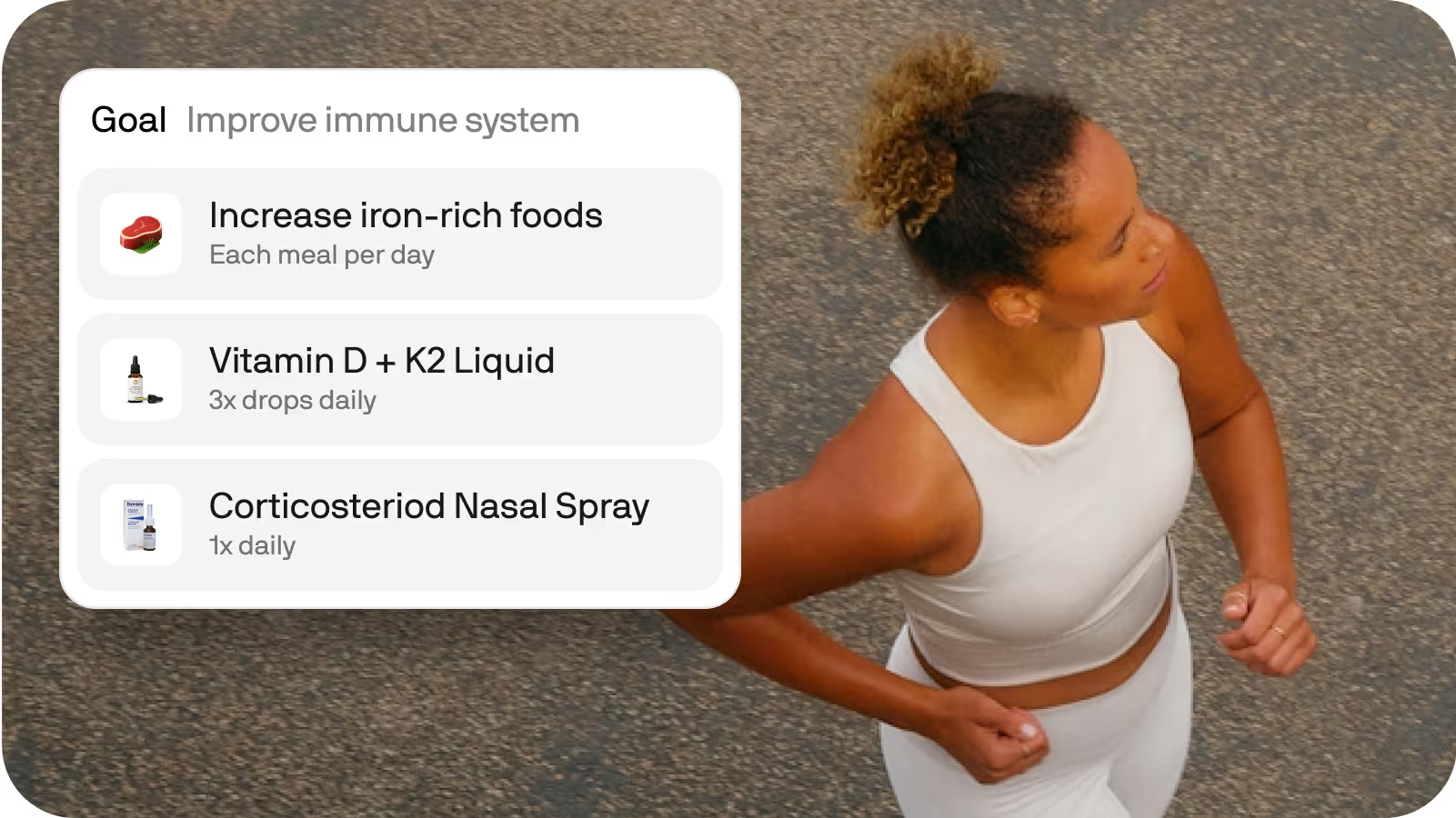
Easy to understand results & a clear action plan with tailored recommendations on diet, lifestyle changes, supplements and pharmaceuticals.

3

A Connected Ecosystem

You can book additional diagnostics, buy curated supplements for 20% off & pharmaceuticals within your Superpower dashboard.

Superpower tests more than 
100+ biomarkers & common symptoms

Developed by world-class medical professionals

Supported by the world’s top longevity clinicians and MDs.

Dr Anant Vinjamoori

Superpower Chief Longevity Officer, Harvard MD & MBA

A smiling woman wearing a white coat and stethoscope poses for a portrait.

Dr Leigh Erin Connealy

Clinician & Founder of The Centre for New Medicine

Man in a black medical scrub top smiling at the camera.

Dr Abe Malkin

Founder & Medical Director of Concierge MD

Dr Robert Lufkin

UCLA Medical Professor, NYT Bestselling Author

membership

$17

/month
Billed annually at $199
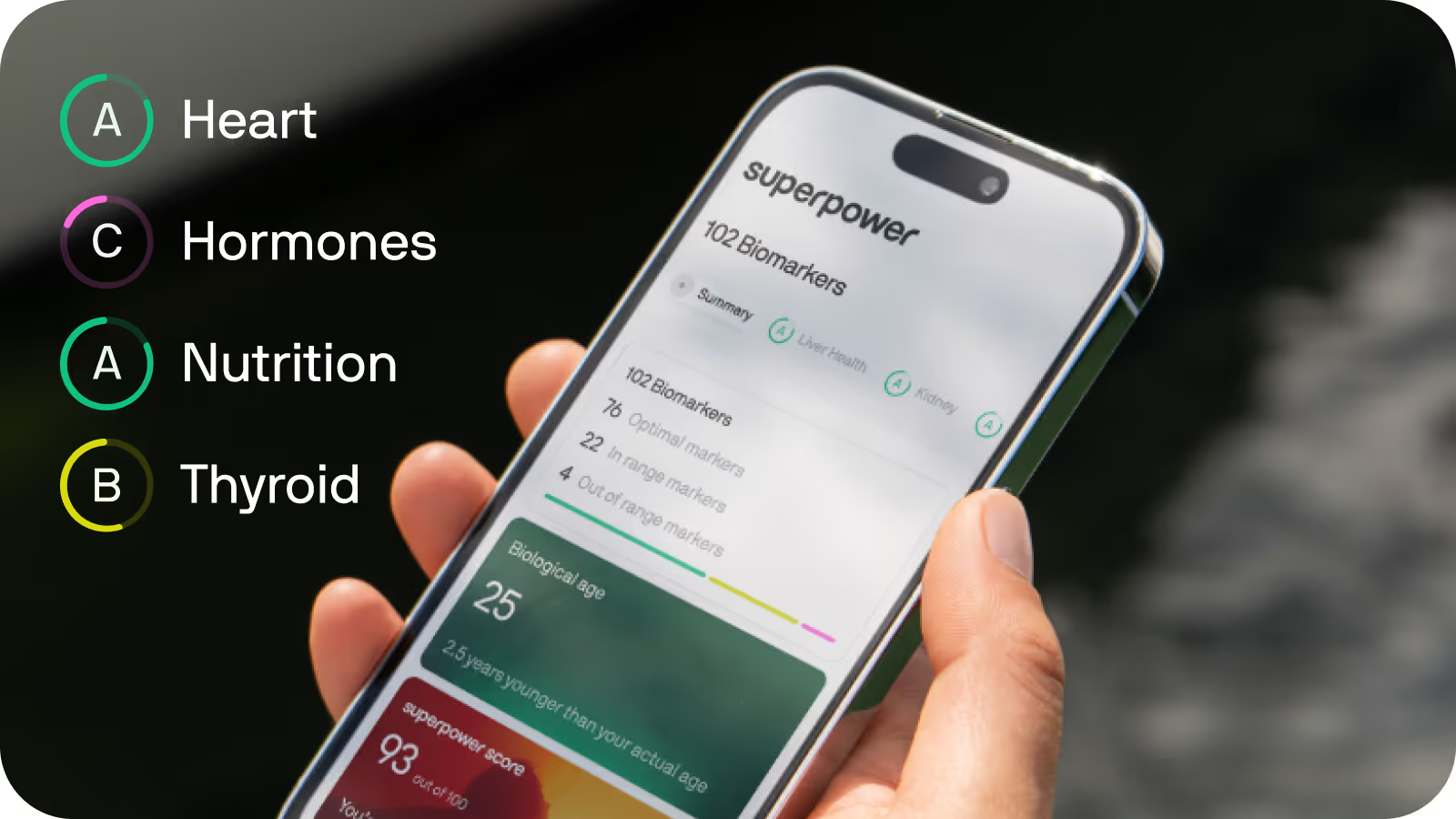
A smartphone displays health app results, showing biomarker summary, superpower score, and biological age details.
What could cost you $15,000 is $199

Superpower
Membership

Your membership includes one comprehensive blood draw each year, covering 100+ biomarkers in a single collection
One appointment, one draw for your annual panel.
100+ labs tested per year
A personalized plan that evolves with you
Get your biological age and track your health over a lifetime
$
17
/month
billed annually
Pricing for members in NY & NJ is $499
Flexible payment options
Four credit card logos: HSA/FSA Eligible, American Express, Visa, and Mastercard.
Start testing
Cancel anytime
HSA/FSA eligible
Results in a week

Finally, healthcare that looks at the whole you