

.svg)



It's 3 PM, your energy is crashing, and the vending machine is the closest option. You know the candy bar won't hold you, but you're not sure what will. The right work snacks can sustain your energy and focus without derailing your nutrition goals.
Key Takeaways
- Protein and fiber slow digestion and prevent blood sugar spikes.
- Pairing carbohydrates with fat or protein blunts glucose response and extends satiety.
- Desk snacks should require no prep and survive room temperature.
- Strategic snacking supports metabolic health by preventing extreme hunger and glucose crashes.
What Makes a Snack Actually Sustaining
A sustaining snack delivers three things: protein to signal satiety, fiber to slow glucose absorption, and fat to extend energy release. When you eat a carbohydrate alone, your pancreas releases insulin to shuttle glucose into cells. That's efficient, but it's also fast. Blood sugar rises, then falls, often below baseline, triggering hunger again within an hour. Adding protein or fat changes the equation. Digestion slows. Glucose enters the bloodstream gradually. Insulin doesn't spike. You stay full longer, and your energy holds steady.
This is why an apple with almond butter outperforms an apple alone. The apple provides quick-digesting carbohydrate and fiber. The almond butter adds protein, fat, and additional fiber. Together, they create a gentler glucose curve. The same principle applies to Greek yogurt with berries, whole-grain crackers with hummus, or a handful of mixed nuts.
How Snacking Affects Metabolism and Blood Sugar
Strategic snacking can support metabolic health by preventing the glucose rollercoaster that drives cravings and fatigue. When you go too long without eating, blood sugar drops. Your body releases cortisol and adrenaline to mobilize stored glucose, which can leave you jittery and irritable. When you finally eat, you're more likely to overeat or reach for something highly processed. A well-timed snack interrupts that cycle.
Foods high in refined carbohydrates and added sugars spike glucose and insulin, promoting fat storage and increasing hunger shortly after. Over time, repeated spikes can reduce insulin sensitivity, a hallmark of metabolic dysfunction. Snacks built around protein, fiber, and healthy fats stabilize blood sugar, reduce insulin demand, and support steady energy without triggering storage signals.
Snacking also influences leptin and adiponectin, hormones that regulate appetite and fat metabolism. Frequent consumption of high-sugar snacks can blunt leptin signaling, making it harder to recognize fullness. Protein-rich snacks enhance satiety signaling and help maintain lean mass during weight loss.
What Drives Hunger and Energy Dips at Work
Workplace hunger isn't random. It's driven by circadian rhythms, meal timing, stress, and the composition of your last meal. If breakfast was carbohydrate-heavy with little protein or fat, your blood sugar likely peaked and crashed by mid-morning. If you skipped breakfast entirely, cortisol is doing the heavy lifting to keep your glucose stable, and that's exhausting.
Stress compounds the problem. Cortisol increases glucose production and insulin resistance, making it harder to maintain stable blood sugar even when you're eating well. It also shifts food preferences toward calorie-dense, highly palatable options.
Meal timing and composition
What you ate two to four hours ago determines how you feel now. A lunch of white rice, lean protein, and minimal fat will digest quickly, leaving you hungry sooner than a meal with complex carbohydrates, protein, and fat. Fiber slows gastric emptying, extending the time nutrients are absorbed. Fat delays the release of ghrelin, the hunger hormone. Protein activates satiety pathways in the brain.
Hydration and electrolyte balance
Dehydration mimics hunger. When you're even mildly dehydrated, energy drops, focus wanes, and you reach for food when what you actually need is water. Sodium, potassium, and magnesium regulate fluid balance and cellular energy production. Drinking coffee all morning without water or electrolytes sets you up for an energy crash that no snack will fully fix.
Why Snack Responses Vary From Person to Person
Two people can eat the same snack and experience completely different glucose responses. Genetics, gut microbiome composition, insulin sensitivity, muscle mass, stress levels, and sleep quality all influence how your body processes food. Someone with high insulin sensitivity might handle a piece of fruit just fine. Someone with insulin resistance might see a significant glucose spike from the same snack.
Muscle mass and glucose disposal
Muscle is metabolically active tissue that takes up glucose without requiring much insulin. People with more muscle mass tend to have better glucose control and can tolerate more carbohydrate without spiking blood sugar. Conversely, low muscle mass reduces glucose disposal capacity, making carbohydrate-heavy snacks more likely to cause problems.
Gut microbiome composition
Certain bacterial strains improve glucose metabolism and enhance satiety signaling. Others promote inflammation and insulin resistance. Fiber-rich snacks feed beneficial bacteria, which produce short-chain fatty acids that improve metabolic health. Highly processed snacks favor bacteria that promote weight gain and inflammation.
Sleep and stress
Sleep deprivation reduces insulin sensitivity and increases ghrelin while suppressing leptin. After a poor night's sleep, you're hungrier, less satisfied by food, and more likely to crave high-sugar snacks. Chronic stress has a similar effect, raising cortisol and shifting metabolism toward fat storage. These factors don't just influence what you crave but change how your body responds to what you eat.
Choosing Snacks That Work With Your Metabolism
The best desk snacks require no refrigeration, no preparation, and no cleanup. They should be shelf-stable, portable, and built around whole-food ingredients.
Nuts and seeds
A quarter-cup serving of almonds, walnuts, or pumpkin seeds delivers protein, fiber, healthy fats, and minerals like magnesium and selenium. They're calorie-dense, so portion control matters, but they're also satiating enough that a small serving goes a long way. Nut butters paired with fruit or whole-grain crackers offer similar benefits with more variety.
Snack bars: what to look for
Snack bars are convenient, but quality varies wildly. Many are glorified candy bars with added protein. The best options have a short ingredient list, minimal added sugar, and at least 5 grams of fiber and 10 grams of protein per serving. Look for bars made from whole foods like nuts, seeds, oats, and dried fruit. Avoid bars with long lists of unrecognizable ingredients, high amounts of sugar alcohols, or more than 10 grams of added sugar.
Protein source matters. Whey and casein are complete proteins with all essential amino acids, but they're dairy-based. Plant-based bars often use pea protein, brown rice protein, or a blend. These can be just as effective if the amino acid profile is balanced. Fiber should come from whole foods, not isolated fibers like inulin or chicory root, which can cause digestive upset in large amounts.
Greek yogurt and cottage cheese
If you have access to a refrigerator, Greek yogurt and cottage cheese are protein-rich options that pair well with fruit, nuts, or seeds. Greek yogurt typically contains 15 to 20 grams of protein per serving, double that of regular yogurt. Cottage cheese offers similar protein with less sugar. Choose plain versions to avoid added sugars, and add your own toppings for flavor and texture.
Roasted chickpeas and edamame
Roasted chickpeas are crunchy, portable, and surprisingly filling. A half-cup serving provides about 6 grams of protein and 5 grams of fiber, along with folate, iron, and magnesium. Edamame, either fresh or dry-roasted, offers even more protein at around 9 grams per half-cup, along with all nine essential amino acids.
Dark chocolate and nuts
Dark chocolate with at least 70% cocoa contains antioxidants, magnesium, and minimal sugar. Paired with a handful of almonds or walnuts, it becomes a satisfying snack that curbs sweet cravings without spiking blood sugar. The fat from the nuts slows the absorption of sugar from the chocolate, and the combination provides flavonoids, healthy fats, and minerals that support cardiovascular and metabolic health.
Tracking Snack Impact Over Time
The best way to know if a snack works for you is to track how you feel and, ideally, measure your glucose response. Continuous glucose monitors have made this easier, but even without one, you can pay attention to hunger, energy, and focus in the hour or two after eating. If you're hungry again within 30 minutes, the snack was too carbohydrate-heavy. If you feel sluggish or foggy, your blood sugar likely spiked and crashed. If you're steady and satisfied for two to three hours, you've found a winner.
Biomarkers like hemoglobin A1c, fructosamine, and fasting insulin reflect long-term glucose control and insulin sensitivity. Triglycerides and the triglyceride-glucose index are also useful. Elevated triglycerides often signal poor carbohydrate tolerance and insulin resistance. Improving snack quality can lower triglycerides and improve metabolic flexibility over time.
How Superpower Helps You Optimize Snacking and Metabolic Health
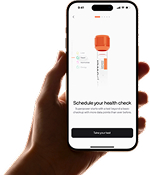
If you're serious about understanding how food affects your metabolism, Superpower's 100+ biomarker panel gives you the data to make informed decisions. Tracking glucose, insulin, HbA1c, and triglycerides over time shows whether your snack choices are supporting stable blood sugar and insulin sensitivity or working against you. Metabolic health isn't about perfection. It's about patterns. Superpower helps you see those patterns clearly so you can adjust your approach based on real outcomes, not guesswork.


.avif)
.avif)
.avif)


.avif)
.avif)
.jpg)
.avif)