

Environmental Exposure

Lead Toxin Test

Measure your personal lead level quickly and confidently so you can act if it’s elevated. Knowing your result can help you reduce exposure and seek care to lower the risk of lead-related neurological and developmental harm in children and kidney, reproductive, and cardiovascular problems in adults.

Lead is among the most thoroughly studied toxicants in medicine. At high levels it can damage nearly every organ system; at low levels it may quietly contribute to cardiovascular, kidney, neurocognitive and reproductive effects. A urine lead test captures the fraction of lead the body is actively excreting and reflects relatively recent or ongoing exposure rather than the total amount stored in bone.

Unlike a venous blood lead level, which the CDC uses to set reference values, a spot urine result is best interpreted alongside a blood lead level and clinical context. Laboratory proficiency-testing studies show that modern ICP‑MS methods are highly consistent across certified labs, but results from a finger-prick capillary blood sample can read falsely high if the skin is contaminated, so confirm with a venous draw for decisions. Chelation or intense exposure right before the test can shift levels temporarily. Different labs and methods have different detection limits, so compare your own results over time rather than across laboratories. The real power of the lead toxin test is in the pattern—linking your number to exposures, symptoms, and related labs to support prevention and long‑term resilience.

Frequently Asked Questions About Lead Toxin Test

What does the lead toxin test measure?

A lead toxin test measures the amount of lead in your body—most commonly the blood lead level (BLL), reported in micrograms per deciliter (µg/dL). A blood test reflects recent exposure (typically weeks to months) and indicates how much lead is circulating and available to affect organs; some tests can also assess lead in urine, hair, or bone (X‑ray fluorescence) or measure related biomarkers (for example zinc protoporphyrin) that show lead’s effect on red blood cell production.

These tests are intended for individuals to understand their personal lead levels and exposure; results are used to monitor exposure, guide clinical follow‑up or treatment, and inform exposure‑reduction steps, but do not by themselves identify specific environmental sources.

What can my lead toxin test results tell me about my health?

A lead toxin test (usually a blood lead level) primarily shows how much lead is circulating in your blood now — a marker of recent exposure and, to some extent, overall body burden. Higher results indicate greater risk of harm: even low levels are linked with developmental and cognitive effects in children and with neurological, kidney, reproductive and cardiovascular effects in adults. Labs report results in standard units and compare them to reference ranges used by public‑health agencies; there is effectively no known safe lead level for children and pregnant people.

One test is only part of the picture: trends over time, symptoms, age, pregnancy status and exposure history matter for interpreting risk. A single normal result does not rule out past exposure or cumulative bone lead stores, and an elevated result typically prompts repeat testing, investigation of exposure sources (home, work, hobbies), public‑health follow‑up and, in high cases, medical treatment such as chelation under specialist care. Discuss your specific value and next steps with a clinician or local health department.

How accurate or reliable are lead toxin tests?

Capillary (finger-stick) screening tests are convenient but more prone to contamination from surface lead and can produce false‑high results unless strict wipe/collection procedures are followed; any elevated capillary result should be confirmed with a venous draw. Urine tests without chelation, hair/nail analyses, and many commercial “heavy metal” panels are less reliable or poorly standardized for diagnosing lead poisoning and can be misleading. Bone lead measurement (via X‑ray fluorescence) is used in research to assess long-term stored lead but is not routine clinical practice.

Overall reliability depends on proper sample collection, use of a certified laboratory, and appropriate test selection; if results are unexpected or borderline, repeat testing or venous confirmation and clinical correlation by a qualified clinician are recommended.

How often should I test my lead levels?

Children should be tested at the ages recommended by your local public‑health program (commonly around 12 and 24 months) and any time you suspect exposure; at‑risk older children may need repeat testing until school age. Adults without known exposure do not need routine screening, but pregnant people or anyone who suspects recent exposure should be tested promptly.

If you work with lead or have a previously elevated result, follow workplace medical surveillance and your clinician’s advice — typically a baseline test, testing after any known exposure, and repeat testing at intervals until levels fall and remain stable. Ask your healthcare provider or local public health agency for the exact schedule tailored to your situation.

Can the amount of lead change quickly?

Yes — blood lead levels can change relatively quickly because the blood compartment reflects recent exposure. A significant new exposure can raise blood lead within days, and removal from the source or medical treatment (e.g., chelation) can lower measured blood lead over days to weeks. However, lead stored in bone and other tissues is released slowly, so overall body burden changes much more slowly and can cause levels to rebound over months to years.

Measured changes can also result from sample contamination, timing of the test, or laboratory variability, so unexpected or clinically important changes should be confirmed with repeat testing and discussed with a healthcare provider to identify exposure sources and decide on follow-up or treatment.

Are lead toxin test results diagnostic?

No — lead toxin test results highlight patterns of imbalance, exposure, or physiological resilience and are not medical diagnoses; they indicate possible areas of concern rather than a definitive clinical diagnosis.

These results must be interpreted alongside symptoms, medical history, physical exam findings and other laboratory or biomarker data, and a qualified clinician should integrate all that information to determine clinical significance and appropriate next steps.

How can I improve my lead levels after testing?

If your test shows elevated lead, first discuss the result with your healthcare provider so they can interpret the level, order any follow‑up testing, and recommend treatment if needed. Locate and remove ongoing sources of exposure—common culprits include old lead paint and dust, contaminated drinking water (especially from lead pipes or fixtures), leaded pottery or imported canned goods, occupational or “take‑home” exposures, and contaminated soil—and reduce household exposure by washing hands often (especially before eating), wiping surfaces with a damp cloth, mopping rather than dry‑dusting, and keeping children’s play areas free of dirt and peeling paint.

Supportive measures that help lower absorption include maintaining a healthy diet with adequate iron, calcium and vitamin C (talk to your clinician or dietitian for specific guidance). Never use unapproved home chelation remedies; chelation therapy is a medical treatment reserved for specific clinical situations and must be prescribed and monitored by a physician. Contact your clinician and local health or environmental agency for home inspection, remediation resources, and follow‑up testing recommendations.

How it works

1

Test your whole body

Get a comprehensive blood draw at one of our 2,000+ partner labs or from the comfort of your own home.

2

An Actionable Plan

Easy to understand results & a clear action plan with tailored recommendations on diet, lifestyle changes, supplements and pharmaceuticals.

3

A Connected Ecosystem

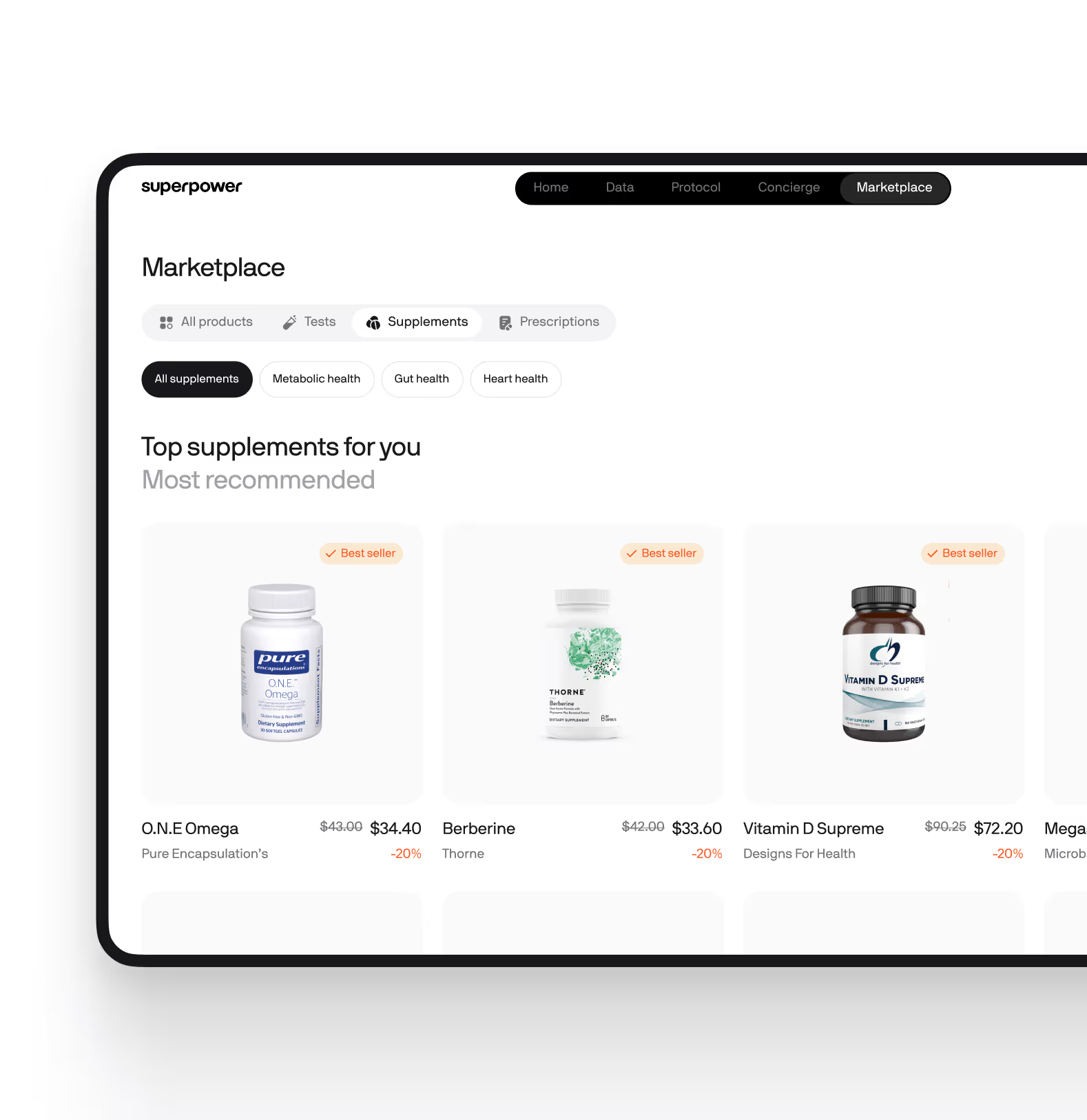
You can book additional diagnostics, buy curated supplements for 20% off & pharmaceuticals within your Superpower dashboard.

Superpower tests more than 
100+ biomarkers & common symptoms

Developed by world-class medical professionals

Supported by the world’s top longevity clinicians and MDs.

Dr Anant Vinjamoori

Superpower Chief Longevity Officer, Harvard MD & MBA

A smiling woman wearing a white coat and stethoscope poses for a portrait.

Dr Leigh Erin Connealy

Clinician & Founder of The Centre for New Medicine

Man in a black medical scrub top smiling at the camera.

Dr Abe Malkin

Founder & Medical Director of Concierge MD

Dr Robert Lufkin

UCLA Medical Professor, NYT Bestselling Author

membership

$17

/month
Billed annually at $199
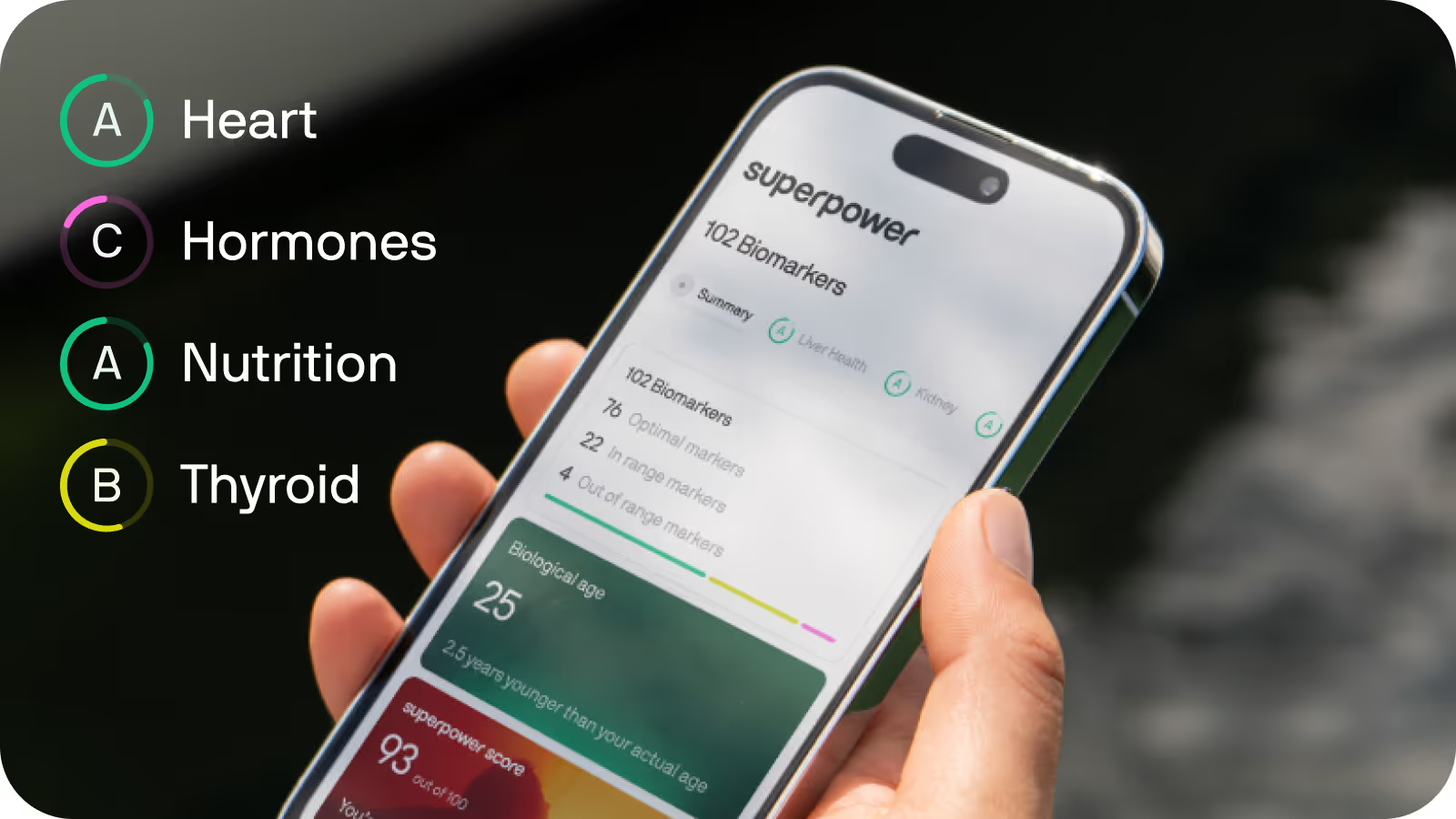
A smartphone displays health app results, showing biomarker summary, superpower score, and biological age details.
What could cost you $15,000 is $199

Superpower
Membership

Your membership includes one comprehensive blood draw each year, covering 100+ biomarkers in a single collection
One appointment, one draw for your annual panel.
100+ biomarkers per year
A personalized plan that evolves with you
Get your biological age and track your health over a lifetime
$
17
/month
billed annually
Pricing for members in NY & NJ is $399 with 90+ biomarkers tested.
Flexible payment options
Four credit card logos: HSA/FSA Eligible, American Express, Visa, and Mastercard.
Start testing
Cancel anytime
HSA/FSA eligible
Results within a week
Detect signs of 1000s of conditions
At-home testing available
A personalized plan that actually works
Excellent 4.6 out of 5
Trusted by 150k+ people
HSA/FSA eligible

Start your Superpower membership

Detect signs of 1000s of conditions
At-home testing available
A personalized plan that actually works
How often do you want to test?
Advanced vs Baseline Panels
Hear a health practitioner’s perspective.
Start testing
Thank you! Your submission has been received!
Oops! Something went wrong while submitting the form.
What’s the difference between testing plans?

The Superpower Baseline Panel is already comprehensive.
It covers 10 times more biomarkers than a typical annual physical.

The Advanced Panel is designed to go deeper, with three scenarios in particular.

  • Uncovering risks that don’t show up in standard labs
    Markers like Lp(a), LDL lipoprotein fractionation help identify cardiovascular risk even when cholesterol looks normal.
  • Know what drives energy, metabolism and hormones
    Tests like insulin, IGF-1, thyroid antibodies, and inflammatory markers explain symptoms that basic hormone tests can’t.
  • Reveal deeper patterns
    Inflammation, autoimmunity, and nutrient markers (e.g. homocysteine, ESR, thyroid antibodies) can show what’s driving long-term health trends.

Individuals with family history of heart disease, unresolved symptoms, or a desire to understand inflammation and hormone health especially benefit from testing.

What’s the difference between testing plans?
Baseline Panel
100+ biomarkers
Advanced Panel
Additional 20 biomarkers
Doctors suggest testing the Advanced Panel at least once per year.
What's the difference between test plans

The Advanced Panel is designed to go deeper, with three scenarios in particular.

In this video, our clinician Brittany will explain what scenarios Advanced testing is helpful for.

Doctors suggest testing the Advanced Panel at least once per year.
Superpower Membership
Annual test

Finally, healthcare that looks at the whole you