Excellent 4.6 out of 5
Cardiovascular and Vascular Diseases

Blood Testing for Prediabetes

Early blood testing detects prediabetes before complications, signaling insulin resistance and cardiometabolic risk. Superpower offers in-clinic and at-home testing for Glucose (fasting plasma glucose) and HbA1c (glycated hemoglobin). Home sample collection is currently available in selected states. (See FAQs below for more info).

Book a Prediabetes blood test today.
Cancel anytime
HSA/FSA eligible
Results in a week
Physician reviewed

Every result is checked

·
CLIA-certified labs

Federal standard for testing

·
HIPAA compliant

Your data is 100% secure

Key Benefits

  • Spot prediabetes early by measuring fasting and three-month average blood sugar.
  • Flag rising glucose before symptoms, when lifestyle changes work best.
  • Clarify fatigue, thirst, or frequent urination as glucose-related warnings.
  • Guide diet, exercise, and weight targets to reverse prediabetes safely.
  • Protect fertility by flagging sugar-handling problems tied to PCOS and ovulation.
  • Support pregnancy by lowering gestational diabetes risk through early glucose control.
  • Track progress over time; HbA1c shows three-month average, glucose shows today’s level.
  • Protect heart, kidney, eye, and nerve health by controlling prediabetes early.

What are Prediabetes biomarkers?

Prediabetes biomarkers are blood signals that show how your body handles sugar—before diabetes sets in. They capture sugar levels now (glucose), sugar exposure over time (hemoglobin A1c), and the hormones that control it (insulin, C‑peptide). Together they reveal whether cells are growing less responsive to insulin (insulin resistance) and whether the pancreas is working harder to keep up (β‑cell stress). Some tests focus on the rise after eating (postprandial glycemia) or how the liver releases sugar overnight (hepatic glucose output). Because these markers come from everyday physiology—glucose circulating in blood, red blood cells picking up sugar, and insulin released from the pancreas—they translate silent, early changes into measurable facts. That makes them powerful for spotting risk, timing interventions, and tracking the impact of nutrition, sleep, activity, and medications. In short, prediabetes biomarkers map the conversation between sugar and insulin across minutes and months, so you and your clinician can see where regulation is slipping and act before damage occurs.

Why is blood testing for Prediabetes important?

Fasting glucose and HbA1c reveal how tightly your body controls blood sugar—moment to moment and across months. When glucose stays high, proteins glycate, vessels stiffen, and the pancreas, nerves, kidneys, eyes, and brain accrue quiet injury.Typical fasting glucose sits in the 70s–90s; 100–125 signals prediabetes. HbA1c below 5.7 is typical; 5.7–6.4 marks prediabetes. Optimal tends to the lower-normal range—fasting in the 70s–90s, HbA1c about 5.0–5.4—without hypoglycemia.When values fall low, glucose supply lags insulin action. Levels under ~70 can bring shakiness, sweating, hunger, dizziness, or confusion; children feel lows more abruptly, older adults may have muted warnings. Such lows generally argue against prediabetes, though they can coexist with wide swings. A very low HbA1c can reflect frequent lows or shortened red‑cell lifespan (hemolysis, recent blood loss). In pregnancy, fasting glucose trends lower and HbA1c is less reliable.Higher fasting glucose or a creeping HbA1c reflects hepatic insulin resistance and loss of first‑phase insulin release, with post‑meal spikes. Symptoms are often subtle—post‑meal fatigue, more thirst or urination near the diabetic range. Men more often show fasting elevation first; women may show post‑meal rises and face gestational diabetes risk.Big picture: these markers connect metabolism to vascular, liver, and brain health. Even in prediabetes, risks for heart disease, stroke, kidney disease, retinopathy, neuropathy, and fatty liver rise, so early detection is clinically important.

What insights will I get?

Prediabetes blood testing provides a window into how your body manages energy, with direct implications for metabolism, cardiovascular health, brain function, reproductive balance, and immune resilience. At Superpower, we focus on two key biomarkers: Glucose and HbA1c. These tests help reveal how efficiently your body processes and regulates blood sugar, a central factor in overall system health.Glucose is the main sugar circulating in your blood, serving as a primary energy source for cells. HbA1c, or glycated hemoglobin, reflects your average blood sugar levels over the past two to three months. Together, these markers help identify early disruptions in glucose regulation—what we call prediabetes—before more serious metabolic problems develop.Stable glucose and a healthy HbA1c indicate that your body is effectively moving sugar from the bloodstream into cells, supporting steady energy, clear thinking, and balanced hormone function. When these markers are elevated, it suggests that your system is struggling to keep blood sugar in check, which can stress blood vessels, nerves, and organs over time.It’s important to note that factors such as pregnancy, age, acute illness, certain medications, and even differences in laboratory methods can influence glucose and HbA1c results. These variables should be considered when interpreting your numbers to ensure an accurate understanding of your metabolic health.

Superpower also tests for

See more diseases

Frequently Asked Questions About

What is Prediabetes blood testing?

It measures how your body handles sugar. Superpower tests your blood for Glucose (current blood sugar) and HbA1c (average blood sugar over ~3 months via hemoglobin glycation). Together, they reveal insulin resistance and early dysglycemia before full diabetes. Glucose is a snapshot of circulating fuel; HbA1c shows longer-term metabolic exposure that affects vessels, nerves, kidneys, and eyes.

Why should I get Prediabetes blood testing?

It finds early glucose dysregulation while the system is still adaptable. Elevated Glucose and HbA1c signal insulin resistance and rising cardiometabolic risk years before symptoms. Identifying prediabetes allows earlier monitoring and risk reduction for diabetes, cardiovascular disease, fatty liver, kidney disease, and neuropathy.

Can I get a blood test at home?

Yes. With Superpower, our team member can organize a blood draw in your home and collect samples for Glucose and HbA1c.

How often should I test?

If results are normal and risk is average, test yearly. If you have prediabetes or risk factors, check HbA1c every 3–6 months and fasting Glucose at least every 6–12 months. After any significant clinical change (illness, new medications, pregnancy), retesting sooner is reasonable to reassess glycemic control.

What can affect biomarker levels?

Acute illness, stress, poor sleep, and recent heavy exercise can raise Glucose. Medications like steroids, beta-agonists, some antipsychotics, and immunosuppressants can increase Glucose and HbA1c. Anemia, hemoglobin variants, recent blood loss/transfusion, kidney or liver disease, pregnancy, and altered red-cell lifespan can skew HbA1c independent of true glucose levels.

Are there any preparations needed before the blood test for Glucose, HbA1c?

For fasting Glucose, fast 8–12 hours before the blood draw (water is fine). Avoid alcohol and unusually intense exercise the day before. Take regular medicines unless your clinician advised otherwise. HbA1c does not require fasting. Stay hydrated to ease the draw.

Can lifestyle changes affect my biomarker levels?

Yes. Body weight, meal timing and composition, physical activity, sleep quality, stress load, and alcohol intake directly influence insulin sensitivity and hepatic glucose output. Over weeks to months, these shifts change average glycemia (HbA1c) and day-to-day Glucose.

How do I interpret my results?

HbA1c: normal <5.7%; prediabetes 5.7–6.4%; diabetes ≥6.5% (confirmed). Fasting Glucose: normal <100 mg/dL (5.6 mmol/L); prediabetes 100–125 mg/dL (5.6–6.9); diabetes ≥126 mg/dL (7.0) on repeat. Glucose is a point-in-time value; HbA1c reflects ~90-day average. If Glucose and HbA1c disagree, factors affecting red-cell lifespan or acute stress may explain it; confirmation with repeat or alternative testing is standard.

What states are Superpower’s at-home blood testing available in?

Superpower currently offers at-home blood testing in the following states: Alabama, Arizona, California, Colorado, Connecticut, Delaware, District of Columbia, Florida, Georgia, Idaho, Illinois, Indiana, Kansas, Maine, Maryland, Massachusetts, Michigan, Minnesota, Missouri, Montana, Nebraska, Nevada, New Hampshire, New Jersey, New Mexico, New York, North Carolina, Ohio, Oklahoma, Oregon, Pennsylvania, South Carolina, Tennessee, Texas, Utah, Vermont, Virginia, Washington, West Virginia, and Wisconsin.We’re actively expanding nationwide, with new states being added regularly. If your state isn’t listed yet, stay tuned.

How it works

1

Test your whole body

Get a comprehensive blood draw at one of our 3,000+ partner labs or from the comfort of your own home.

2

An Actionable Plan

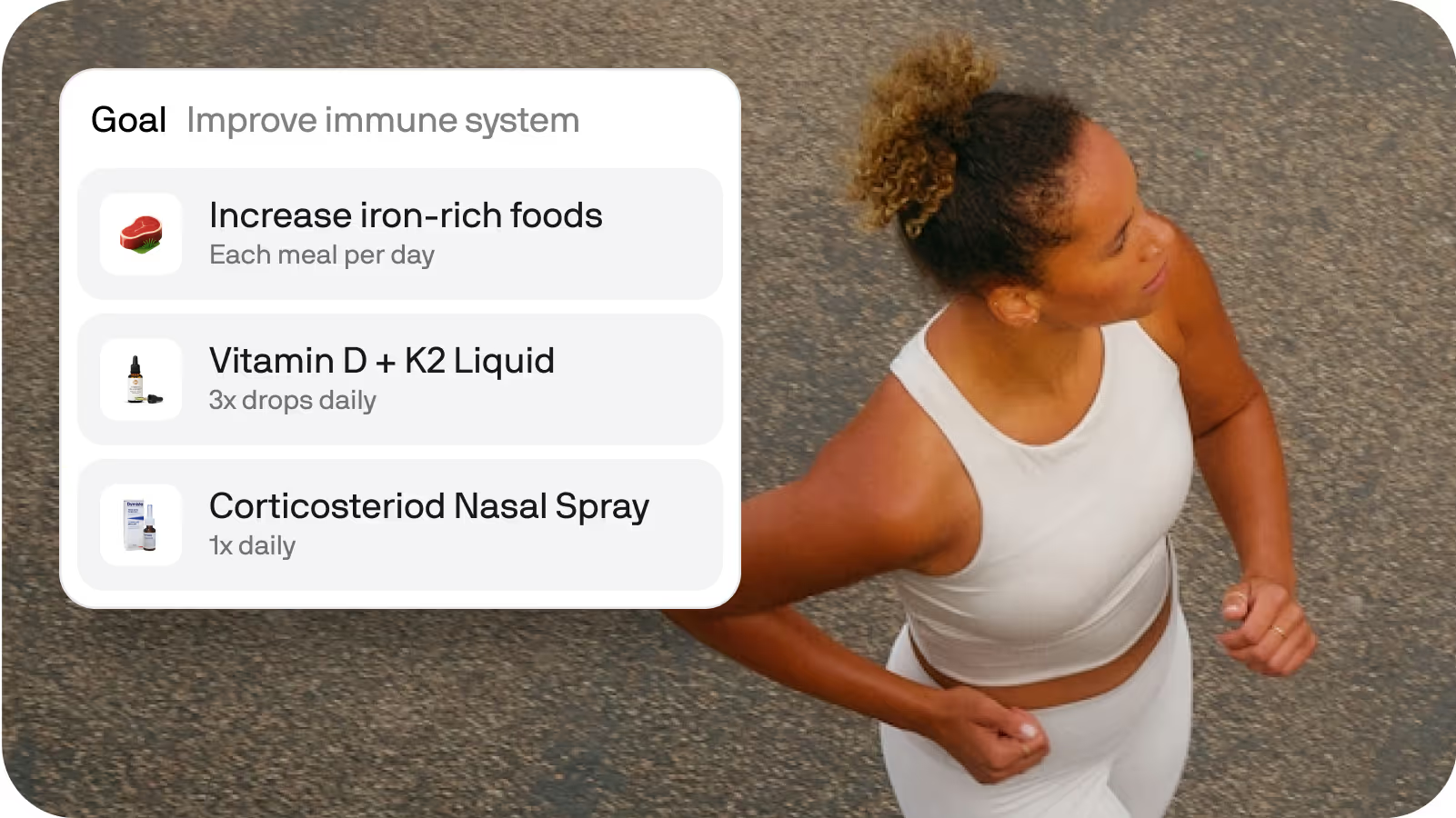
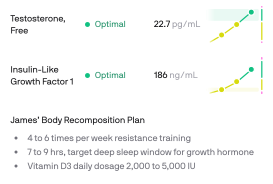
Easy to understand results & a clear action plan with tailored recommendations on diet, lifestyle changes, supplements and pharmaceuticals.

3

A Connected Ecosystem

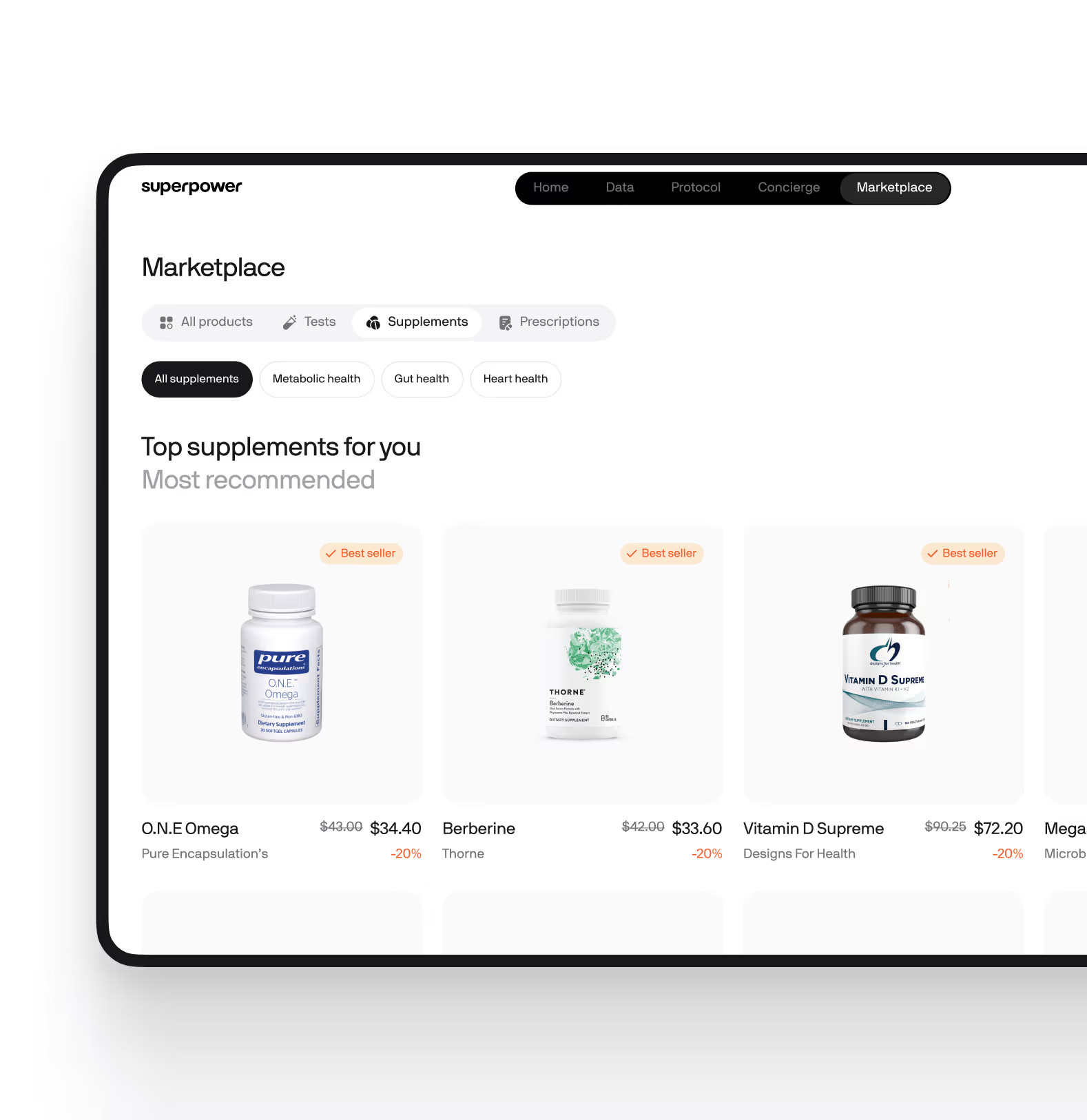
You can book additional diagnostics, buy curated supplements for 20% off & pharmaceuticals within your Superpower dashboard.

Superpower tests more than 
100+ biomarkers & common symptoms

Developed by world-class medical professionals

Supported by the world’s top longevity clinicians and MDs.

Dr Anant Vinjamoori

Superpower Chief Longevity Officer, Harvard MD & MBA

A smiling woman wearing a white coat and stethoscope poses for a portrait.

Dr Leigh Erin Connealy

Clinician & Founder of The Centre for New Medicine

Man in a black medical scrub top smiling at the camera.

Dr Abe Malkin

Founder & Medical Director of Concierge MD

Dr Robert Lufkin

UCLA Medical Professor, NYT Bestselling Author

membership

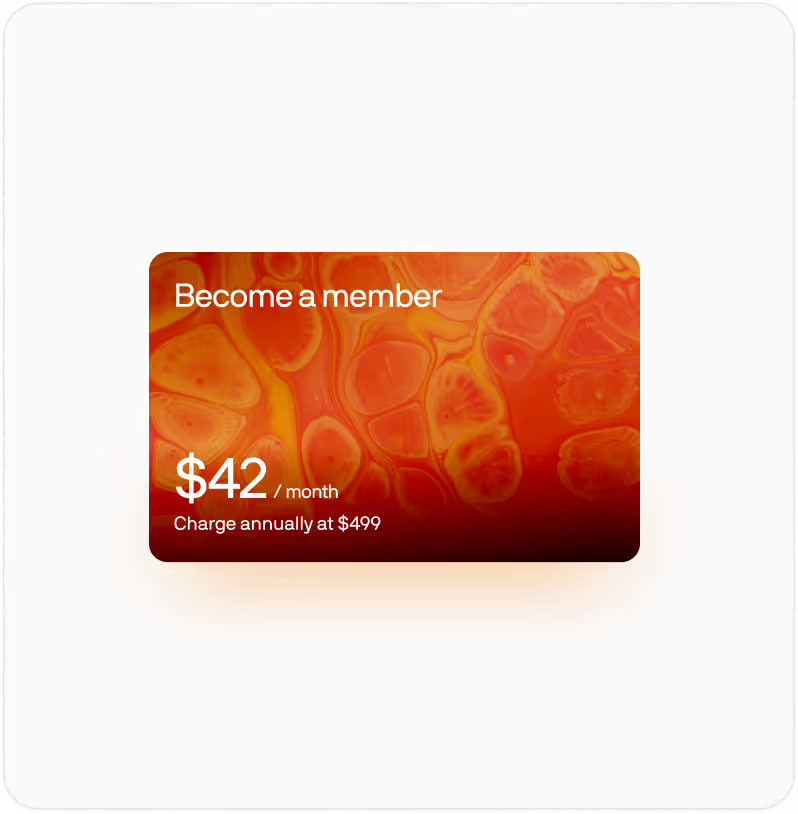
$17

/month
Billed annually at $199
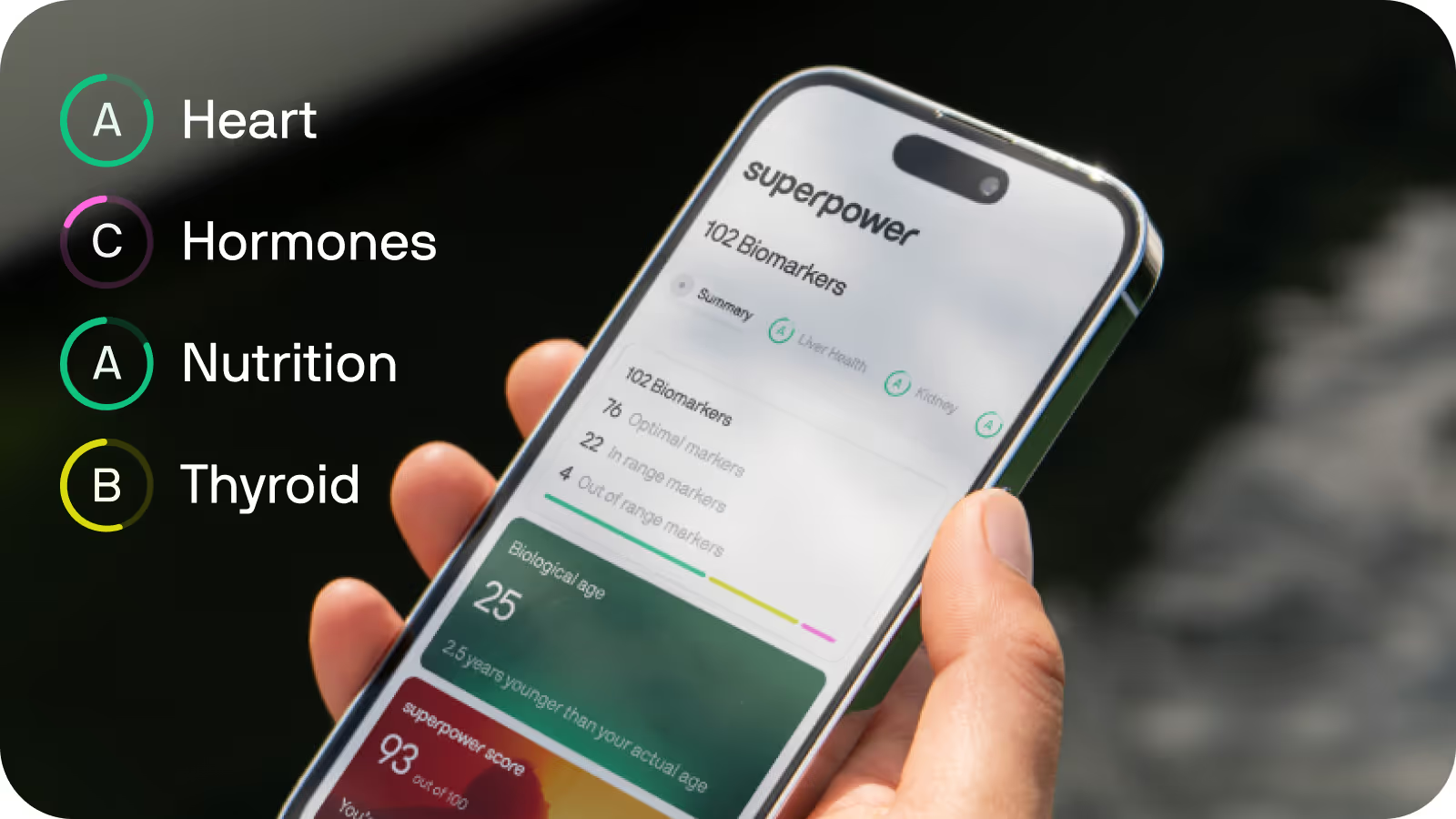
A smartphone displays health app results, showing biomarker summary, superpower score, and biological age details.
What could cost you $15,000 is $199

Superpower
Membership

Your membership includes one comprehensive blood draw each year, covering 100+ biomarkers in a single collection
One appointment, one draw for your annual panel.
100+ labs tested per year
A personalized plan that evolves with you
Get your biological age and track your health over a lifetime
$
17
/month
billed annually
Pricing for members in NY & NJ is $499
Flexible payment options
Four credit card logos: HSA/FSA Eligible, American Express, Visa, and Mastercard.
Start testing
Cancel anytime
HSA/FSA eligible
Results in a week

Finally, healthcare that looks at the whole you