Excellent 4.6 out of 5
Renal and Electrolyte Disorders

Blood Testing for Nephrotic Syndrome

Blood testing clarifies nephrotic syndrome’s protein loss and lipid shifts, guiding diagnosis and monitoring. At Superpower, we measure Albumin, Total Protein, LDL, Triglycerides, and ApoB. We offer in-clinic and at-home testing; home kits are currently available in selected states. (See FAQs below for more info).

Book a Nephrotic Syndrome blood test today.
Cancel anytime
HSA/FSA eligible
Results in a week
Physician reviewed

Every result is checked

·
CLIA-certified labs

Federal standard for testing

·
HIPAA compliant

Your data is 100% secure

Key Benefits

  • Check kidney protein loss and artery-clogging lipids in suspected nephrotic syndrome.
  • Spot low albumin that drives swelling and clot risk from urinary losses.
  • Flag falling total protein that signals heavy, ongoing protein leakage.
  • Support pregnancy planning by flagging severe hypoalbuminemia and high cholesterol and triglycerides.
  • Clarify artery-clogging risk with ApoB, reflecting particle number beyond LDL-C.
  • Guide lipid-lowering and nutrition choices; signal need to intensify kidney-protective therapy.
  • Track recovery or relapse by trending albumin up and LDL, triglycerides, ApoB down.
  • Best interpreted with urine protein-creatinine ratio, eGFR, blood pressure, and symptoms.

What are Nephrotic Syndrome biomarkers?

Nephrotic syndrome biomarkers are blood signals that reveal a leaky kidney filter (glomerular filtration barrier) and the body’s downstream responses. The central marker is the main blood protein albumin (serum albumin), made by the liver to hold fluid in blood vessels; low levels reflect loss of this protein into urine. Blood fats rise (lipids: cholesterol and triglycerides) because the liver ramps up production when albumin falls. A waste product from muscle, creatinine (serum creatinine), helps show how well the kidneys are filtering overall. Clotting proteins shift: the natural anticoagulant antithrombin can be lost in urine while fibrinogen is increased by the liver (hemostasis biomarkers), together signaling a higher tendency to form clots. Immune proteins drop, such as protective antibodies (IgG), and transport proteins like vitamin D–binding protein, indicating vulnerability to infection and altered nutrient handling. Cause-finding tests include antibodies against podocyte targets (anti-PLA2R, anti-THSD7A) and complement proteins (C3, C4) that reflect immune-complex activity. Measured together, these biomarkers confirm the syndrome, suggest its cause, indicate severity, and flag complications—enabling focused treatment and safer monitoring.

Why is blood testing for Nephrotic Syndrome important?

Blood tests in nephrotic syndrome translate kidney filter damage into whole‑body signals. Serum albumin and total protein show how much protein is leaking through the glomerulus, while LDL, triglycerides, and ApoB reveal the liver’s compensatory lipoprotein surge and downstream cardiovascular risk. Together, they map pressure balance in the bloodstream, fluid shifts into tissues, clotting and infection risk, and long‑term effects on the heart and vessels.Common references: albumin about 3.5–5.0 and total protein about 6.0–8.3, with health typically sitting in the mid‑to‑high part of those ranges. LDL and triglycerides are healthiest at the low end (LDL well below 100; triglycerides below 150). ApoB, a count of atherogenic particles, is best toward the low end (often below 80–90). In nephrotic syndrome, albumin and total protein drift low as proteins spill into urine, while LDL, triglycerides, and ApoB climb high as the liver overproduces lipoproteins. High triglycerides can provoke pancreatitis; high ApoB and LDL increase atherosclerotic risk and can coincide with a hypercoagulable state.When albumin and total protein fall, plasma oncotic pressure drops and fluid moves into tissues: puffy eyelids, leg swelling, sudden weight gain, ascites, and shortness of breath from effusions. Fatigue, muscle cramps, and reduced drug and hormone binding may appear; loss of immunoglobulins raises infection susceptibility. Children often show striking facial swelling. In pregnancy, low albumin can amplify edema and hemodynamic strain.Big picture: these biomarkers link renal barrier integrity to vascular health, immunity, and metabolism. Tracking them helps gauge disease activity, cardiovascular and thrombotic risk, and the systemic consequences of sustained protein loss.

What insights will I get?

Nephrotic Syndrome blood testing provides a window into the health of your kidneys and their impact on the entire body. The kidneys play a central role in maintaining fluid balance, filtering waste, and regulating proteins and lipids in the blood. When this system is disrupted, it can affect energy levels, cardiovascular health, immunity, and even cognitive function. At Superpower, we test Albumin, Total Protein, LDL, Triglycerides, and ApoB to assess these interconnected systems.Albumin is a major blood protein produced by the liver, essential for maintaining fluid balance and transporting hormones, drugs, and nutrients. In Nephrotic Syndrome, the kidneys lose their ability to retain albumin, leading to low blood levels (hypoalbuminemia). Total Protein measures all proteins in the blood, including albumin and globulins; a decrease often signals protein loss through the kidneys. LDL (low-density lipoprotein) and Triglycerides are types of blood lipids that often rise in Nephrotic Syndrome due to altered metabolism and increased liver production. ApoB (Apolipoprotein B) is a structural protein found in LDL and other atherogenic lipoproteins, and its elevation reflects increased cardiovascular risk.Healthy levels of albumin and total protein support stable blood volume, tissue nourishment, and immune defense. When these are low, it signals compromised kidney filtration and systemic instability. Elevated LDL, Triglycerides, and ApoB indicate disrupted lipid metabolism, increasing the risk for cardiovascular complications—a common concern in Nephrotic Syndrome.Interpretation of these biomarkers can be influenced by factors such as age, pregnancy, acute illness, certain medications, and laboratory assay differences. These variables should be considered when evaluating results to ensure an accurate understanding of kidney and systemic health.

Superpower also tests for

See more diseases

Frequently Asked Questions About

What is Nephrotic Syndrome blood testing?

Nephrotic syndrome blood testing shows how kidney protein loss is reshaping your blood chemistry. Superpower measures Albumin, Total Protein, LDL, Triglycerides, and ApoB. Low albumin and total protein reflect loss of circulating proteins and reduced plasma oncotic pressure (hypoalbuminemia). High LDL, triglycerides, and ApoB reflect hepatic overproduction of atherogenic lipoproteins (hyperlipidemia). This blood pattern complements urine protein and kidney function tests and explains edema, clotting tendency, and cardiovascular risk in nephrotic syndrome.

Why should I get Nephrotic Syndrome blood testing?

It confirms the nephrotic pattern in blood, gauges severity, and tracks risk. Falling albumin/total protein signal ongoing urinary protein loss and lower oncotic pressure. Rising LDL, triglycerides, and ApoB quantify atherogenic particle load and cardiovascular risk. Together these markers help distinguish kidney protein loss from low liver synthesis, establish a baseline, and monitor change over time. Early shifts in these values often precede symptoms and guide follow‑up intensity.

Can I get a blood test at home?

Yes. With Superpower, our team can organize a certified phlebotomy blood draw in your home and manage transport to the lab.

How often should I test?

Establish a baseline at diagnosis or suspicion, then recheck to confirm trajectory. During active disease or treatment changes, testing every 4–8 weeks tracks response. In stable remission, every 3–6 months is typical to confirm sustained recovery and lipid control. After any relapse or medication adjustment, repeat within 4–12 weeks to document the new steady state. Use the same lab methods when possible to reduce variability.

What can affect biomarker levels?

Recent meals raise triglycerides and can alter calculated LDL. Dehydration concentrates albumin/total protein; overhydration dilutes them. Systemic inflammation and acute illness lower albumin (negative acute‑phase effect). Liver disease lowers albumin independent of kidney loss. Pregnancy, posture, and diuretics shift plasma volume. Steroids, estrogens, retinoids raise lipids; statins and PCSK9 inhibitors lower LDL/ApoB. Alcohol elevates triglycerides. Lab timing, handling, and assay differences also add variation.

Are there any preparations needed before the blood test for Albumin, Total Protein, LDL, Triglycerides, ApoB?

Fasting 8–12 hours is preferred to standardize triglycerides and any calculated LDL; water is fine. Avoid heavy alcohol in the prior 24 hours because it elevates triglycerides. Stay well hydrated to reduce hemoconcentration effects on albumin/total protein. Take usual medications unless you’ve been instructed otherwise, but note lipid‑lowering drugs or steroids for interpretation. Superpower tests your blood for Albumin, Total Protein, LDL, Triglycerides, and ApoB.

Can lifestyle changes affect my biomarker levels?

Yes. Short‑term diet and alcohol intake can shift triglycerides; weight and metabolic status influence LDL and ApoB; infections, inflammation, and physiologic stress lower albumin and can alter lipids; salt and fluid balance change albumin/total protein via plasma volume. These effects matter, but in nephrotic syndrome the dominant driver is urinary protein loss, so patterns and trends over time are most informative.

How do I interpret my results?

Think in patterns. Low albumin and total protein with high LDL, triglycerides, and ApoB supports a nephrotic pattern of protein loss plus hyperlipidemia. Normal albumin argues against active nephrotic protein loss. ApoB reflects the number of atherogenic particles; higher ApoB means higher cardiovascular risk. Interpretation is strongest when paired with urine protein quantification (spot protein‑creatinine ratio or 24‑hour >3.5 g/day) and kidney function. Serial trends, not single values, show disease activity and response.

What states are Superpower’s at-home blood testing available in?

Superpower currently offers at-home blood testing in the following states: Alabama, Arizona, California, Colorado, Connecticut, Delaware, District of Columbia, Florida, Georgia, Idaho, Illinois, Indiana, Kansas, Maine, Maryland, Massachusetts, Michigan, Minnesota, Missouri, Montana, Nebraska, Nevada, New Hampshire, New Jersey, New Mexico, New York, North Carolina, Ohio, Oklahoma, Oregon, Pennsylvania, South Carolina, Tennessee, Texas, Utah, Vermont, Virginia, Washington, West Virginia, and Wisconsin.We’re actively expanding nationwide, with new states being added regularly. If your state isn’t listed yet, stay tuned.

How it works

1

Test your whole body

Get a comprehensive blood draw at one of our 3,000+ partner labs or from the comfort of your own home.

2

An Actionable Plan

Easy to understand results & a clear action plan with tailored recommendations on diet, lifestyle changes, supplements and pharmaceuticals.

3

A Connected Ecosystem

You can book additional diagnostics, buy curated supplements for 20% off & pharmaceuticals within your Superpower dashboard.

Superpower tests more than 
100+ biomarkers & common symptoms

Developed by world-class medical professionals

Supported by the world’s top longevity clinicians and MDs.

Dr Anant Vinjamoori

Superpower Chief Longevity Officer, Harvard MD & MBA

A smiling woman wearing a white coat and stethoscope poses for a portrait.

Dr Leigh Erin Connealy

Clinician & Founder of The Centre for New Medicine

Man in a black medical scrub top smiling at the camera.

Dr Abe Malkin

Founder & Medical Director of Concierge MD

Dr Robert Lufkin

UCLA Medical Professor, NYT Bestselling Author

membership

$17

/month
Billed annually at $199
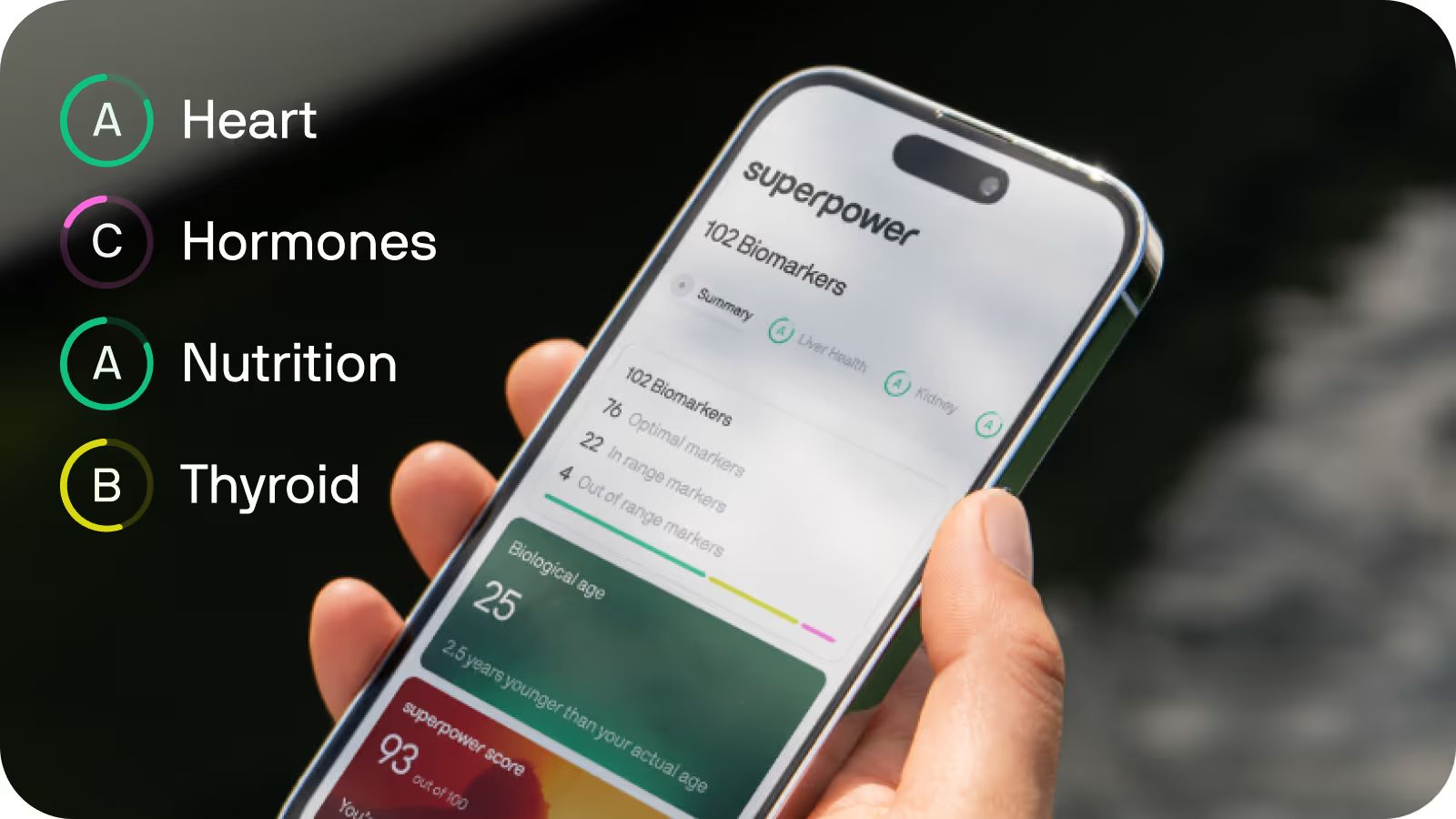
A smartphone displays health app results, showing biomarker summary, superpower score, and biological age details.
What could cost you $15,000 is $199

Superpower
Membership

Your membership includes one comprehensive blood draw each year, covering 100+ biomarkers in a single collection
One appointment, one draw for your annual panel.
100+ labs tested per year
A personalized plan that evolves with you
Get your biological age and track your health over a lifetime
$
17
/month
billed annually
Pricing for members in NY & NJ is $499
Flexible payment options
Four credit card logos: HSA/FSA Eligible, American Express, Visa, and Mastercard.
Start testing
Cancel anytime
HSA/FSA eligible
Results in a week

Finally, healthcare that looks at the whole you