Excellent 4.6 out of 5
Renal and Electrolyte Disorders

Blood Testing for Hyponatremia

Hyponatremia reflects disordered water-sodium balance affecting brain, kidney, and endocrine function. Accurate blood sodium measurement confirms severity and guides evaluation. At Superpower, we provide blood tests measuring sodium for hyponatremia, with both in-clinic and at-home options. Home blood testing is currently available in selected states. (See FAQs below for more info).

Book a Hyponatremia blood test today.
Cancel anytime
HSA/FSA eligible
Results in a week
Physician reviewed

Every result is checked

·
CLIA-certified labs

Federal standard for testing

·
HIPAA compliant

Your data is 100% secure

Key Benefits

  • Check blood sodium to detect hyponatremia, a low-salt imbalance affecting cells.
  • Explain headaches, nausea, confusion, or cramps by linking them to low sodium.
  • Spot early fluid-salt imbalance before seizures or dangerous falls.
  • Clarify the cause by distinguishing dehydration from hormone-driven water retention.
  • Guide medication safety by flagging diuretic, SSRI, or antiepileptic-related hyponatremia.
  • Direct treatment choices, from fluid restriction to IV saline or salt tablets.
  • Protect high-risk adults with heart, liver, or kidney disease from dilutional hyponatremia.
  • helps assess interpreted with blood osmolality, urine sodium and concentration, and your symptoms.

What are Hyponatremia biomarkers?

Hyponatremia biomarkers are blood and urine signals that track the body’s balance of water and salt, making the underlying problem visible. The core marker is the amount of sodium circulating in blood (serum sodium), which reflects the relationship between body water and total sodium. Measures of how concentrated the blood is (serum osmolality, effective tonicity) indicate whether the bloodstream is dilute. Kidney response markers indicate how the body is handling water and salt in real time: how concentrated the urine is (urine osmolality) and how much sodium the kidney sends into urine (urine sodium). Hormone-related markers add the “why”: the water-retaining signal (vasopressin/antidiuretic hormone, often assessed via copeptin), the salt-retaining signal (aldosterone), and regulators that influence water clearance (cortisol and thyroid hormones). Context markers such as blood sugar (glucose), kidney function measures (urea and creatinine), and heart stretch peptides (natriuretic peptides like BNP) link hyponatremia to conditions like diabetes, kidney, or heart disease. Together, these biomarkers map fluid status and guide safe correction.

Why is blood testing for Hyponatremia important?

Sodium in the blood is a core biomarker of whole‑body water balance, nerve and muscle signaling, brain volume regulation, and blood pressure control. It reflects the ratio of sodium to water across cells and vessels, so even small shifts can ripple through the brain, heart, kidneys, and endocrine systems.Most labs define a general reference range around 135–145. For day‑to‑day physiology, the middle tends to be most stable. Values drifting to the edges often signal problems with water handling, kidney function, or hormones such as antidiuretic hormone (ADH), aldosterone, cortisol, and thyroid hormones.When sodium is low, the body has too much water relative to sodium. This can result from excess ADH (SIADH), heart or liver disease, kidney impairment, adrenal or thyroid deficiency, diuretics, or high water intake. The brain is helps assess: water shifts into brain cells, causing headache, nausea, confusion, unsteady gait, muscle cramps, seizures, or coma in severe, rapid drops. Chronic, milder reductions can cause fatigue, concentration problems, and a higher risk of falls. Older adults are particularly vulnerable due to medications and comorbidities. Premenopausal women and children are at greater risk of brain swelling in acute cases. Pregnancy resets the “normal” sodium set‑point slightly may provide context, and water loads are tolerated less well.Big picture, sodium links kidney filtration, vascular volume, and neurohormonal control. Persistent hyponatremia is associated with longer hospitalizations, fractures from gait and attention impairments, and higher mortality in many illnesses. Testing clarifies whether the issue is water excess, hormonal dysregulation, or organ dysfunction, guiding interpretation alongside osmolality and urine studies to protect brain and systemic health.

What insights will I get?

Hyponatremia blood testing is essential for understanding how well your body maintains fluid balance, nerve signaling, and overall cellular function. Sodium is a key electrolyte that helps regulate blood pressure, supports muscle and nerve activity, and ensures that cells have the right environment to function. At Superpower, we specifically test the Sodium biomarker to assess your risk for or presence of hyponatremia.Sodium is a mineral found in your blood and is tightly regulated by your kidneys and hormones. Hyponatremia occurs when blood sodium levels fall below the normal range, disrupting the balance of water inside and outside your cells. This imbalance can affect nearly every system in the body, from the brain and heart to muscles and the digestive tract.Healthy sodium levels are crucial for maintaining the stability of your body’s internal environment. When sodium drops too low, cells can swell with excess water, leading to symptoms like confusion, fatigue, muscle weakness, and in severe cases, neurological complications. Monitoring sodium helps reveal how well your body is managing hydration, stress, and metabolic demands.Interpretation of sodium levels can be influenced by several factors. Age, pregnancy, acute or chronic illnesses, certain medications (like diuretics or antidepressants), and even laboratory assay differences can all affect results. It’s important to consider these factors when evaluating sodium and the risk or presence of hyponatremia.

Superpower also tests for

See more diseases

Frequently Asked Questions About

What is Hyponatremia blood testing?

It’s a blood test that measures the sodium level in your bloodstream. Sodium regulates water balance, nerve signaling, and muscle function. Low sodium (hyponatremia) reflects excess body water or impaired renal water excretion, not just “low salt.” Superpower tests your blood for Sodium (serum Na+), reported in mmol/L.

Why should I get Hyponatremia blood testing?

Because low sodium can be silent until it affects the brain. Testing uncovers disturbances in water regulation (ADH), kidney handling of water, and effects of heart, liver, or endocrine disease. It also detects medication-related causes (e.g., thiazides, SSRIs). Early identification guides urgency and the next physiologic checks (serum osmolality, urine osmolality/sodium), helping prevent complications like confusion, falls, or seizures.

Can I get a blood test at home?

Yes. With Superpower, our team can organize a professional blood draw in your home and test your blood for Sodium. Samples go to accredited labs using standard ion‑selective electrode methods.

How often should I test?

It depends on risk and stability. Get a baseline if you have symptoms of water imbalance or start medicines that can lower sodium. During acute illness, after IV fluids, or after an abnormal value, recheck is typically done within days to weeks. With stable chronic conditions that affect water balance, periodic monitoring (for example, every 3–12 months) is common. Rapid changes or very low levels warrant closer follow-up.

What can affect biomarker levels?

Water balance and ADH drive sodium most. Excess water intake, pain, nausea, stress, lung or brain disease can raise ADH (SIADH) and lower sodium. Medications like thiazide diuretics, SSRIs/SNRIs, carbamazepine, desmopressin, and NSAIDs can lower it. Adrenal insufficiency, hypothyroidism, heart failure, cirrhosis, kidney disease, vomiting/diarrhea, and IV fluids shift levels. High glucose causes translocational hyponatremia. Very high lipids or proteins can cause pseudohyponatremia with certain lab methods.

Are there any preparations needed before the blood test for Sodium?

No special preparation. Fasting isn’t required. Avoid excessive water loading right before the draw. If you have an IV running, the sample should not be taken from that line or limb, since saline can skew results. Recent medications and IV fluids should be documented because they can influence sodium.

Can lifestyle changes affect my biomarker levels?

Yes, mainly through water balance. Rapid high water intake, very low‑solute diets (beer potomania, “tea and toast”), endurance exercise, heat exposure, or heavy alcohol use can lower sodium. Dehydration or significant vomiting/diarrhea can shift sodium as well. Dietary salt alone is rarely the driver of hyponatremia; impaired water excretion and ADH physiology are usually central.

How do I interpret my results?

Typical reference is 135–145 mmol/L. Below 135 mmol/L is hyponatremia: mild 130–134, moderate 125–129, severe <125. Risk depends on how low and how fast it fell; rapid drops increase brain swelling risk (headache, confusion, seizures). If sodium is low, serum osmolality helps separate true hypotonic hyponatremia from translocational (e.g., hyperglycemia) or pseudohyponatremia (marked hyperlipidemia/paraproteinemia). Urine osmolality and sodium reveal whether ADH excess or volume depletion is driving the result. Superpower reports Sodium in mmol/L with reference ranges.

What states are Superpower’s at-home blood testing available in?

Superpower currently offers at-home blood testing in the following states: Alabama, Arizona, California, Colorado, Connecticut, Delaware, District of Columbia, Florida, Georgia, Idaho, Illinois, Indiana, Kansas, Maine, Maryland, Massachusetts, Michigan, Minnesota, Missouri, Montana, Nebraska, Nevada, New Hampshire, New Jersey, New Mexico, New York, North Carolina, Ohio, Oklahoma, Oregon, Pennsylvania, South Carolina, Tennessee, Texas, Utah, Vermont, Virginia, Washington, West Virginia, and Wisconsin.We’re actively expanding nationwide, with new states being added regularly. If your state isn’t listed yet, stay tuned.

How it works

1

Test your whole body

Get a comprehensive blood draw at one of our 3,000+ partner labs or from the comfort of your own home.

2

An Actionable Plan

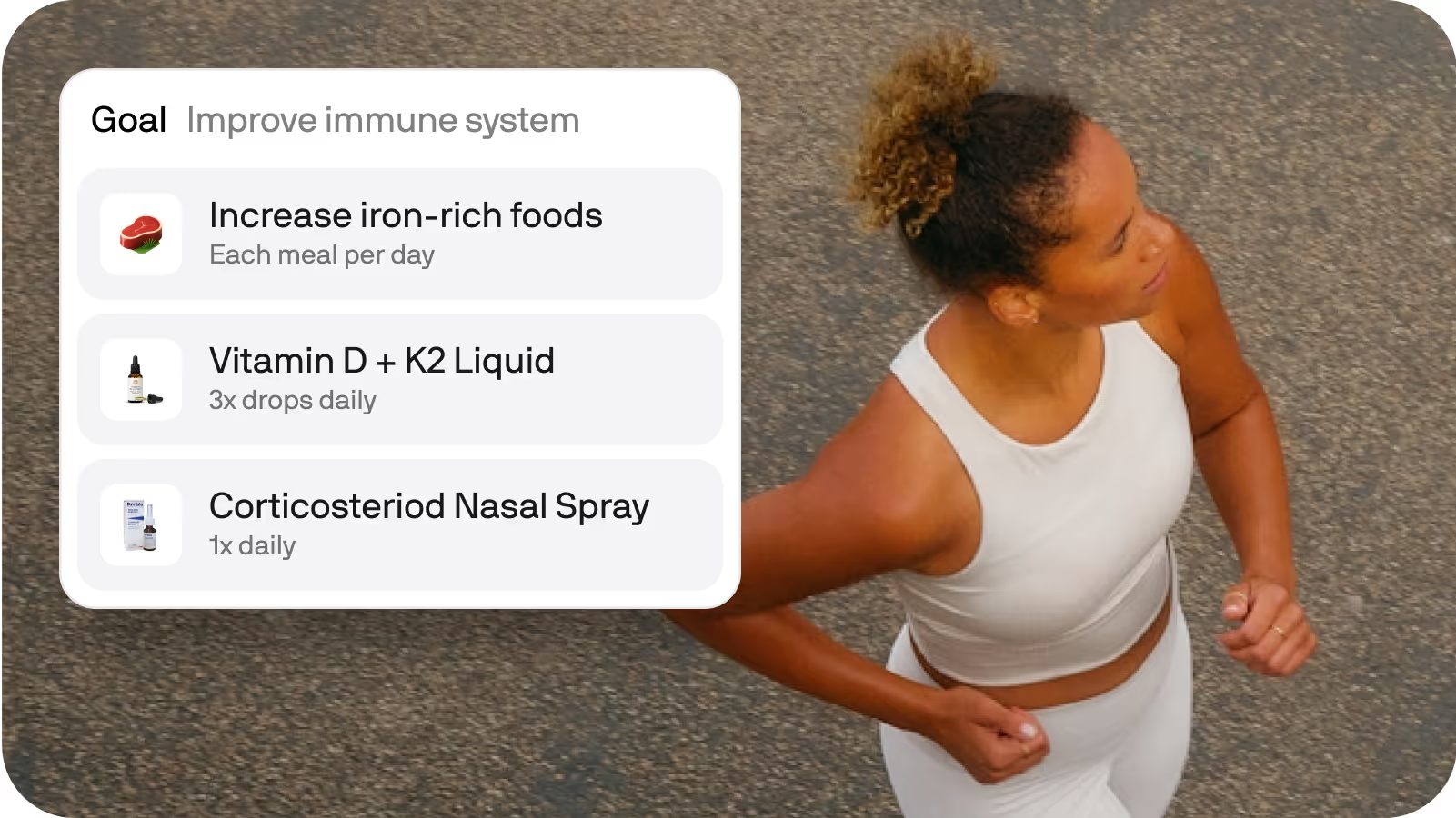
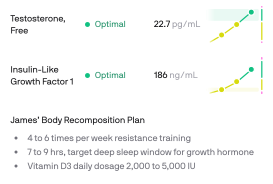
Easy to understand results & a clear action plan with tailored recommendations on diet, lifestyle changes, supplements and pharmaceuticals.

3

A Connected Ecosystem

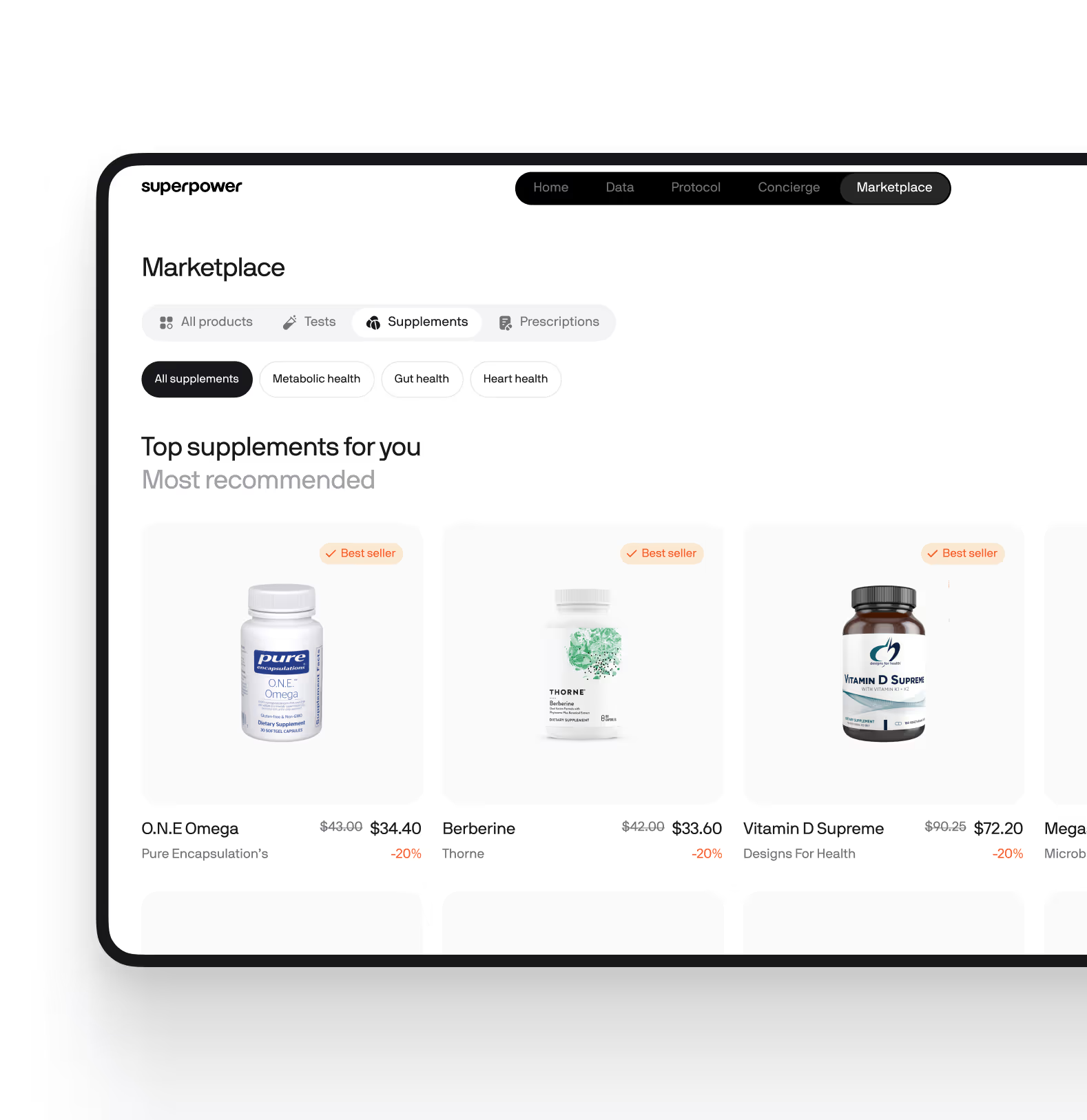
You can book additional diagnostics, buy curated supplements for 20% off & pharmaceuticals within your Superpower dashboard.

Superpower tests more than 
100+ biomarkers & common symptoms

Developed by world-class medical professionals

Supported by the world’s top longevity clinicians and MDs.

Dr Anant Vinjamoori

Superpower Chief Longevity Officer, Harvard MD & MBA

A smiling woman wearing a white coat and stethoscope poses for a portrait.

Dr Leigh Erin Connealy

Clinician & Founder of The Centre for New Medicine

Man in a black medical scrub top smiling at the camera.

Dr Abe Malkin

Founder & Medical Director of Concierge MD

Dr Robert Lufkin

UCLA Medical Professor, NYT Bestselling Author

membership

$17

/month
Billed annually at $199
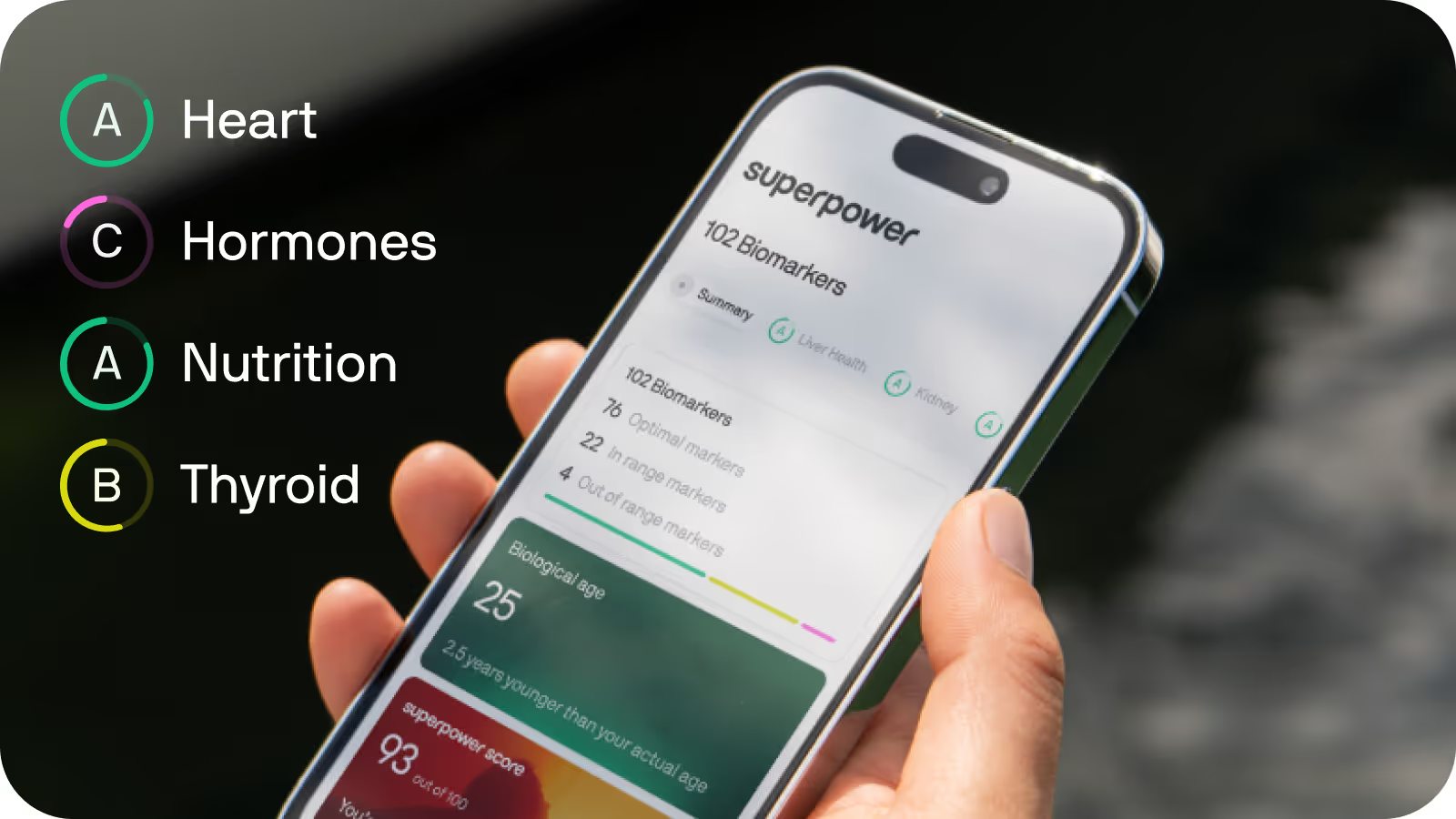
A smartphone displays health app results, showing biomarker summary, superpower score, and biological age details.
What could cost you $15,000 is $199

Superpower
Membership

Your membership includes one comprehensive blood draw each year, covering 100+ biomarkers in a single collection
One appointment, one draw for your annual panel.
100+ labs tested per year
A personalized plan that evolves with you
Get your biological age and track your health over a lifetime
$
17
/month
billed annually
Pricing for members in NY & NJ is $499
Flexible payment options
Four credit card logos: HSA/FSA Eligible, American Express, Visa, and Mastercard.
Start testing
Cancel anytime
HSA/FSA eligible
Results in a week

Finally, healthcare that looks at the whole you