Excellent 4.6 out of 5
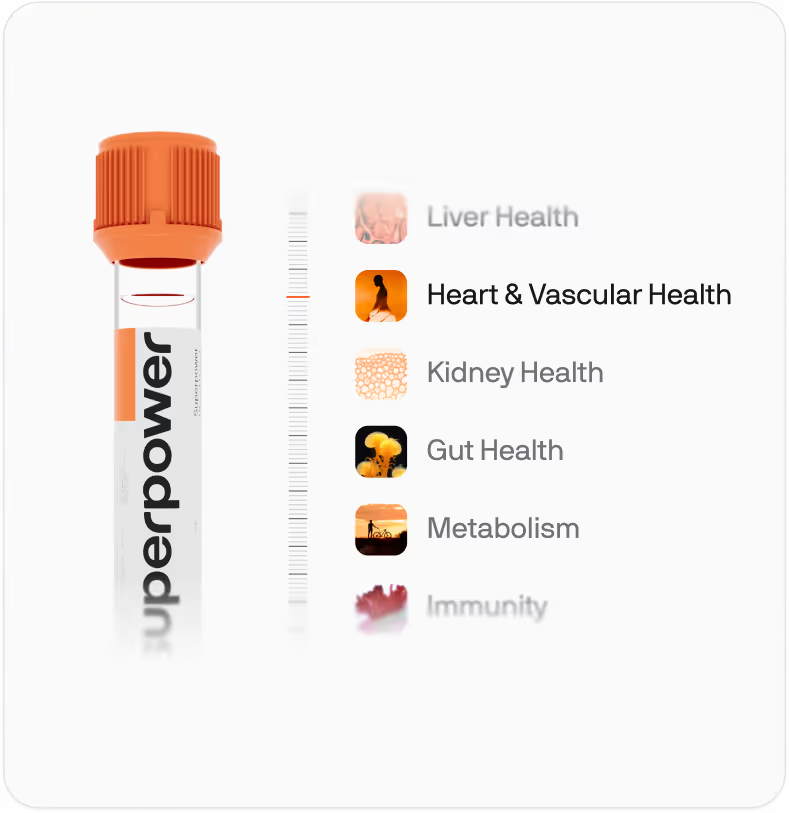
Heart & Vascular Health

Blood Testing for Triglycerides

Triglycerides blood testing measures the amount of triglycerides—the body’s main storage form of fat—in your bloodstream. A triglyceride is a small energy package built from one glycerol backbone and three fatty acids (triacylglycerol). Triglycerides come from two places: they’re absorbed from food by the intestine and they’re made by the liver, especially from excess sugars. At home blood testing is available in select states. See FAQs below

Book A Triglycerides Blood Test
Cancel anytime
HSA/FSA eligible
Results in a week
Physician reviewed

Every result is checked

·
CLIA-certified labs

Federal standard for testing

·
HIPAA compliant

Your data is 100% secure

Key Benefits

  • Measure the amount of triglyceride fat circulating in your blood.
  • Clarify heart and stroke risk associated with higher triglyceride levels.
  • Flag pancreatitis danger when triglycerides exceed 500 mg/dL or rise rapidly.
  • Spot insulin resistance and metabolic syndrome risk behind persistent triglyceride elevations.
  • Clarify drivers by checking for diabetes, thyroid or kidney disease, medicines, and alcohol.
  • Guide treatment and track progress as levels improve with lifestyle and therapy.
  • Support pregnancy safety by monitoring normal rises and is studied for its potential effects on severe elevations.
  • Understand results most appropriate with a full lipid panel and A1c; repeat fasting if high.

What is a Triglycerides blood test?

Triglycerides blood testing measures the amount of triglycerides—the body’s main storage form of fat—in your bloodstream. A triglyceride is a small energy package built from one glycerol backbone and three fatty acids (triacylglycerol). Triglycerides come from two places: they’re absorbed from food by the intestine and they’re made by the liver, especially from excess sugars. In the blood, they travel inside fat-carrying particles (lipoproteins): chylomicrons after a meal, and very-low-density lipoproteins (VLDL) from the liver.

This biomarker captures how your body stores and moves fuel. Triglycerides deliver fatty acids to muscles and the heart for energy and to fat tissue for storage, a process governed by enzymes that unload them from lipoproteins (lipoprotein lipase). The measured level reflects the balance between input from the gut and liver and clearance by tissues—essentially, how efficiently you handle and traffic energy from fats and sugars (lipid and carbohydrate metabolism).

Why is a Triglycerides blood test important?

Triglycerides are the bloodstream’s main energy-carrying fats, packaged in particles from the gut and liver. They reflect how your intestine absorbs fat, how your liver handles surplus fuel, and how hormones like insulin direct energy between fat, muscle, and pancreas. Because they sit at the crossroads of metabolism, they signal risk across the heart, liver, and endocrine systems.

Typical reference points: under 150 is desirable, 150–199 borderline, 200–499 high, and 500 or higher very high. For most people, within reference ranges sits toward the lower end of normal—not extremely low.

When values are unusually low, they often mirror limited fat intake or absorption, an overactive thyroid, chronic illness, or rare genetic patterns. The physiology is less fuel in circulation and fewer triglyceride-rich particles, which can coincide with poor delivery of fat-soluble vitamins; people may notice dry skin, night-vision changes, easy bruising, or muscle weakness if malabsorption is present. In children, very low levels can suggest undernutrition. During pregnancy, triglycerides normally rise, so low values are uncommon.

When values are elevated, the liver is typically overproducing VLDL under insulin resistance, or particles are not cleared well. This promotes remnant cholesterol, small dense LDL, low HDL, and fat buildup in the liver. Most people feel nothing; very high levels can cause abdominal pain from pancreatitis, eruptive skin bumps, and milky blood. Men with visceral fat and women after menopause often see higher levels; pregnancy drives a late-gestation rise, and genetic disorders may present in childhood.

Big picture: triglycerides integrate gut, liver, adipose, and pancreatic signaling. Persistently high levels track with atherosclerotic risk, fatty liver, and future diabetes, while very high levels raise pancreatitis risk.

What insights will I get?

A triglycerides blood test measures the amount of triglyceride-rich lipoproteins (mainly VLDL and chylomicrons) in blood. Triglycerides carry energy from liver and gut to tissues. Levels reflect how you process sugars and fats and relate to cardiometabolic risk, fatty liver, and, at extremes, pancreatitis. They influence vessel health and energy delivery to muscle and brain.

Low values usually reflect reduced production or faster clearance of these particles. Causes include low energy intake or malabsorption, overactive thyroid (hyperthyroidism), chronic illness, and rare genetic ApoB disorders. System-wise this can signal limited circulating fuel and, in genetic forms, impaired transport of fat‑soluble vitamins. Pregnancy usually raises levels.

Being in range suggests balanced hepatic output and peripheral use of triglycerides, good insulin sensitivity, and vascular stability. Within the usual reference range, lower values are generally associated with lower cardiometabolic risk, especially on fasting measurements.

High values usually reflect excess liver export of VLDL or reduced tissue breakdown. Common drivers include insulin resistance or diabetes, too little thyroid hormone (hypothyroidism), kidney disease, alcohol, and drugs such as estrogens, steroids, some beta‑blockers, and retinoids. Genetic conditions and late pregnancy raise levels. System effects include atherogenic dyslipidemia, fatty liver, and pancreatitis risk when very high.

Notes: Interpretation depends on fasting versus nonfasting sampling, recent meals or alcohol, acute illness, and pregnancy timing. Age and sex shift typical values, with men and postmenopausal women tending higher. Assay and day‑to‑day biologic variability exist; reference intervals may differ across labs.


Superpower also tests for

See more blood diseases

Frequently Asked Questions About

What is triglycerides testing?

Triglycerides testing measures the concentration of triglycerides in your blood to assess cardiometabolic and liver-related risk.

Why should I test my triglycerides?

Testing helps identify atherosclerotic cardiovascular risk, pancreatitis risk at very high levels, insulin-resistant patterns, fatty liver risk, and secondary causes influenced by diet, alcohol, thyroid, kidney function, or medications.

How often should I test triglycerides?

Regular testing helps track response to lifestyle changes and therapies. Frequency depends on personal goals and risk factors; many people retest periodically to monitor trends.

What can affect triglycerides?

Diet high in added sugars and refined starches, alcohol, weight gain, inactivity, insulin resistance, hypothyroidism, chronic kidney disease, and certain medications can raise levels. Increased activity, fiber, unsaturated fats, and omega-3s can lower them.

Do I need to fast before a triglycerides test?

Fasting can improve comparability across tests, especially if you are monitoring change. Non-fasting measurements still provide meaningful risk information; follow the instructions provided with your test.

What states are Superpower’s at-home blood testing available in?

Superpower currently offers at-home blood testing in the following states: Alabama, Arizona, California, Colorado, Connecticut, Delaware, District of Columbia, Florida, Georgia, Idaho, Illinois, Indiana, Kansas, Maine, Maryland, Massachusetts, Michigan, Minnesota, Missouri, Montana, Nebraska, Nevada, New Hampshire, New Jersey, New Mexico, New York, North Carolina, Ohio, Oklahoma, Oregon, Pennsylvania, South Carolina, Tennessee, Texas, Utah, Vermont, Virginia, Washington, West Virginia, and Wisconsin.

We’re actively expanding nationwide, with new states being added regularly. If your state isn’t listed yet, stay tuned.

What if my triglycerides are outside the optimal range?

Out-of-range results highlight areas to address, such as nutrition, activity, alcohol intake, weight management, or potential secondary causes. Retesting after changes shows whether levels are improving.

Can lifestyle changes affect triglycerides?

Yes. Reducing added sugars and refined starches, prioritizing unsaturated fats, increasing fiber, adding marine omega-3s, being physically active, moderating alcohol, and achieving modest fat loss typically lower triglycerides.

How should I interpret triglycerides results?

Interpret results in the context of other markers such as HDL, non-HDL cholesterol, ApoB, A1c, and hs-CRP, plus patterns like abdominal adiposity or fatty liver. Trends over time are especially informative.

Is triglycerides testing right for me?

It is useful for anyone tracking heart and metabolic health, particularly if there is interest in risk assessment, monitoring insulin resistance patterns, or evaluating lifestyle and therapy effects over time.

How it works

1

Test your whole body

Get a comprehensive blood draw at one of our 3,000+ partner labs or from the comfort of your own home.

2

An Actionable Plan

Easy to understand results & a clear action plan with tailored recommendations on diet, lifestyle changes, supplements and pharmaceuticals.

3

A Connected Ecosystem

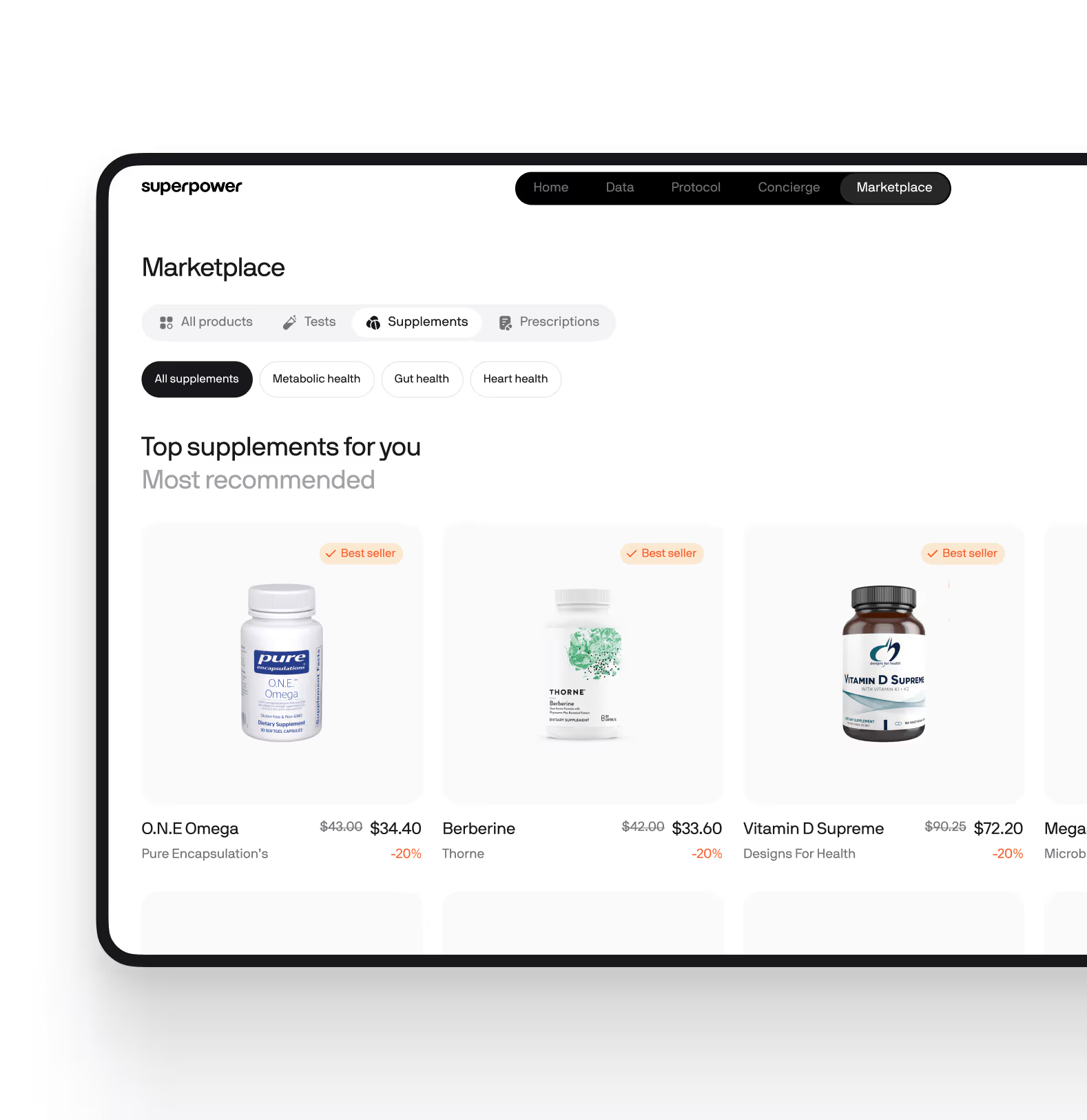
You can book additional diagnostics, buy curated supplements for 20% off & pharmaceuticals within your Superpower dashboard.

Superpower tests more than 
100+ biomarkers & common symptoms

Developed by world-class medical professionals

Supported by the world’s top longevity clinicians and MDs.

Dr Anant Vinjamoori

Superpower Chief Longevity Officer, Harvard MD & MBA

A smiling woman wearing a white coat and stethoscope poses for a portrait.

Dr Leigh Erin Connealy

Clinician & Founder of The Centre for New Medicine

Man in a black medical scrub top smiling at the camera.

Dr Abe Malkin

Founder & Medical Director of Concierge MD

Dr Robert Lufkin

UCLA Medical Professor, NYT Bestselling Author

membership

$17

/month
Billed annually at $199
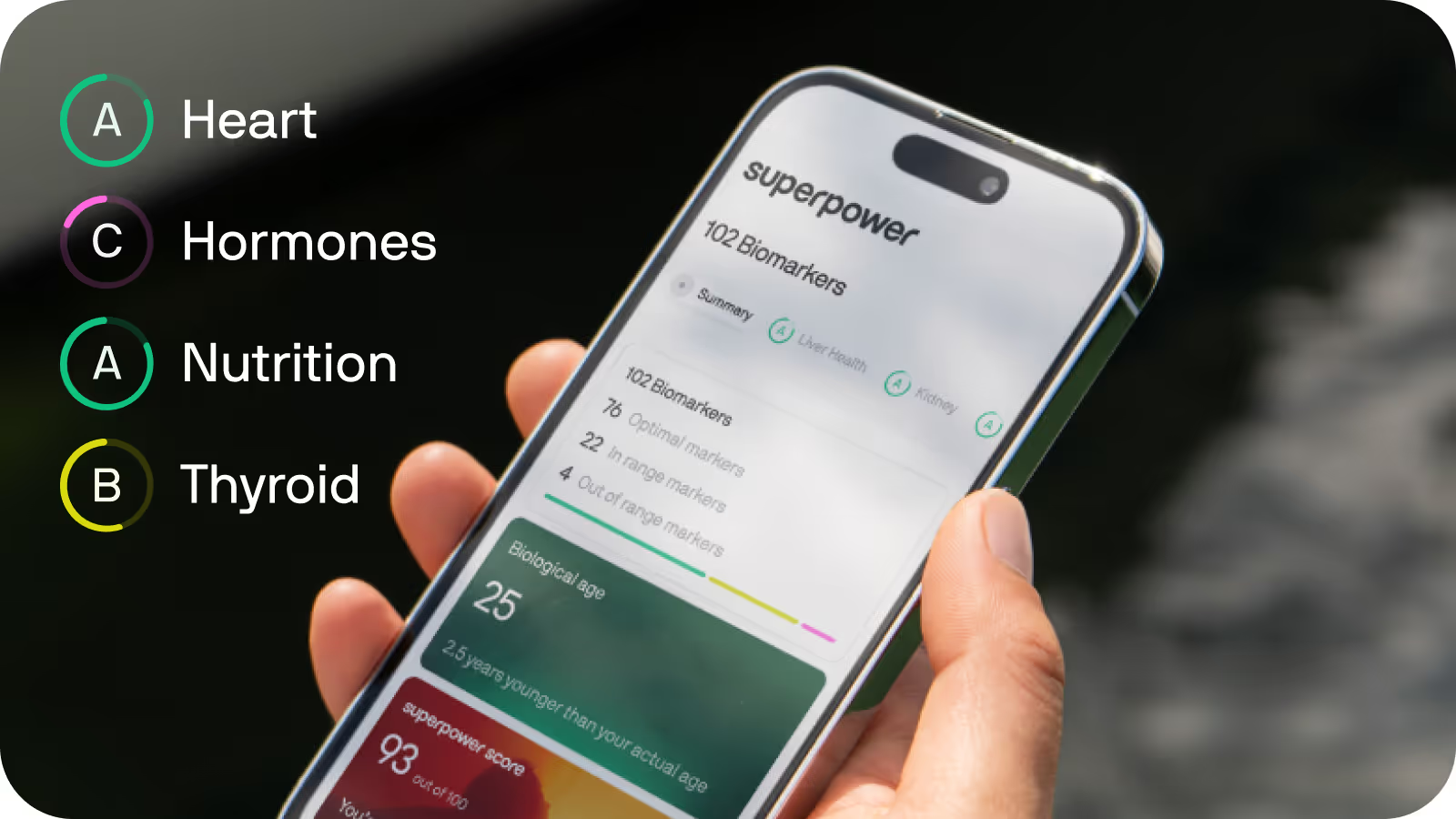
A smartphone displays health app results, showing biomarker summary, superpower score, and biological age details.
What could cost you $15,000 is $199

Superpower
Membership

Your membership includes one comprehensive blood draw each year, covering 100+ biomarkers in a single collection
One appointment, one draw for your annual panel.
100+ labs tested per year
A personalized plan that evolves with you
Get your biological age and track your health over a lifetime
$
17
/month
billed annually
Pricing for members in NY & NJ is $499
Flexible payment options
Four credit card logos: HSA/FSA Eligible, American Express, Visa, and Mastercard.
Start testing
Cancel anytime
HSA/FSA eligible
Results in a week

Finally, healthcare that looks at the whole you